Apartment Building Security in Surrey BC and the Lower Mainland
Written by Paul Thandi, Operations Manager, On Guard Security Ltd. — 10+ years in BC security · Updated September 2026
A rental building runs on shared doors. Dozens or hundreds of households, their guests, couriers, trades and movers all come through the same lobby and parkade gate, and one propped door or broken gate can undo everything else you’ve put in place. Apartment building security is about keeping those shared spaces orderly for the people who live there while respecting that it is their home. This page explains what On Guard Security Ltd. does for landlords and property managers of rental buildings in Surrey, Vancouver, Burnaby, Richmond, Langley, Abbotsford and across the Lower Mainland, and how to decide what coverage your building needs.
Key takeaways
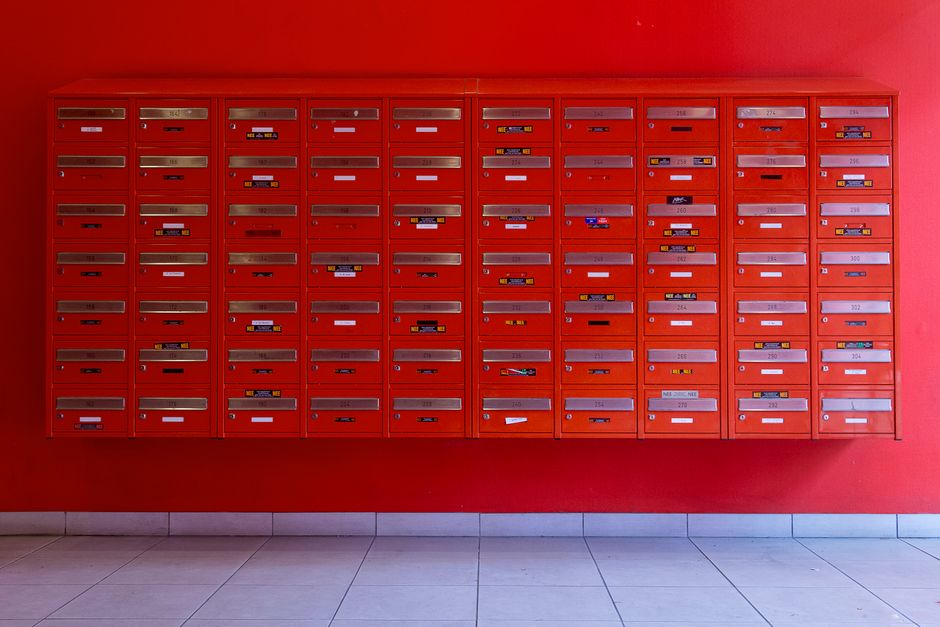
Apartment building security is mostly about the shared entry points: the lobby, the parkade gate, bike rooms, storage and the mailroom.
In BC, tenants’ guests have a right to reasonable access, so guards verify and log visitors rather than turning them away.
Guards work in common areas; a landlord’s right to enter a suite is restricted by the Residential Tenancy Act, and guards follow the same limits.
Most rental buildings use a mix: a guard at busy times, mobile patrol overnight, and a call-out when an alarm or gate fault needs attention.
On Guard Security Ltd. provides licensed, JIBC-trained, unarmed guards with 24/7 support from its Surrey headquarters.
Before a guard starts at your building, we learn its rules and procedures: who can book the elevator for a move, how fobs are issued, where parcels go, which contractors are expected and who the property manager wants called for what. That lets the guard answer tenants’ and visitors’ questions properly instead of guessing.
On a typical shift, apartment building security covers:
Lobby and entry control. Watching for tailgating at the front door, confirming visitors with the tenant they are there to see, and logging contractors and service calls.
Parkade and gate checks. Walking the parkade, checking that gates close behind vehicles, and reporting damaged locks, broken lights and vehicles that don’t belong. Larger lots can be added through our parking lot security service.
Move-ins and move-outs. Making sure booked moves use the right entrance and elevator, that doors aren’t left propped open for hours, and that common areas are checked afterwards.
Parcels and deliveries. Keeping couriers out of the building beyond the delivery area and following your building’s parcel procedure.
Equipment faults. When an entrance gate, parking gate or front door fails, a guard can hold that point so only residents and verified visitors get through until the repair is made.
Common-area rounds and reports. Stairwells, bike rooms, storage lockers, laundry and amenity rooms, with a written report of anything found: water leaks, damage, noise complaints or people sleeping in stairwells.
Key insight: In most rental buildings the problems start at a door that doesn’t close, not at a suite. A guard who notices and reports a failing gate or propped door on day one prevents weeks of unwanted access.
Rental buildings are different from offices or warehouses because the people inside have legal rights to their homes. BC’s Residential Tenancy Act says a landlord must not unreasonably restrict access to the residential property by a tenant or by a person the tenant permits on the property (section 30). It also says a landlord may not enter a rental unit unless the tenant agrees, proper written notice has been given, or an emergency makes entry necessary to protect life or property (section 29).
Our guards work for the landlord, so they work inside those same limits. In practice that means:
Visitors are verified and logged, not refused because a guard doesn’t recognise them. If a tenant confirms a guest, the guest goes in.
Guards patrol hallways, parkades and amenity rooms, not suites. They don’t enter a unit to investigate a noise complaint; they document it and pass it to the property manager.
If a guard sees an emergency such as smoke, flooding or someone in distress, they call 911 first and then the property manager.
This is a plain-language summary, not legal advice. Your property manager or a tenancy lawyer should set the building’s own procedures, and we train our guards on them.
Key insight: Good apartment security feels like service to tenants and like control to outsiders. Guards who greet residents by name and check strangers politely get better cooperation, and tenants report problems to them sooner.
The right level of apartment building security depends on the building’s size, how many entrances it has, and when problems happen. We suggest reviewing your incident log or maintenance tickets for the last few months before choosing: if most issues are at night, overnight patrols may be enough; if the lobby is busy all day, a staffed post makes more sense.
Option
How it works
Best suited to
On-site guard
A guard stationed in the lobby or on rounds for set hours, controlling entry and walking common areas
Larger buildings, busy lobbies, buildings with repeated unwanted access
Mobile patrol
Scheduled or randomised visits to check doors, gates, parkades and common areas, with a report after each visit
Smaller or mid-size buildings where problems are mostly overnight
Alarm response
A guard attends when an alarm, fire panel trouble signal or gate fault is reported
Buildings with alarms but no one on site after hours
Short-term post
A guard for a set period, such as a gate outage, a renovation or a busy move-in month
Temporary gaps while repairs or projects are under way
If your building is a strata rather than a rental, the decision runs through the strata council instead of a single owner. Our article on condo security in BC covers how councils approach it.
Fob systems, cameras, intercoms, good lighting and self-closing doors are all worth having. On their own, though, they record problems or rely on everyone using them properly. A camera shows who followed a tenant through the door; a guard can stop it happening, or at least find out who the person is visiting. We don’t sell or install camera or access systems. Our guards work with whatever your building already has, reporting faulty fobs, dark spots and doors that don’t latch so your maintenance team can fix them.
We have worked in BC security for more than 10 years from our Surrey headquarters at 12565 88 Ave. Every guard is licensed and JIBC-trained, and each new hire spends a week training one-on-one with a senior officer before working alone. You can confirm any guard’s or company’s licence using the province’s security licence status verification tool. We are WorkSafeBC compliant and fully insured, we provide unarmed guards, and our support line runs 24/7. We take on short-term posts and long-term contracts, and we build each plan around the building rather than a standard package.
What are some good security features for apartments?
Useful features include controlled entry with fobs or an intercom, self-closing and self-latching doors, a secure parkade gate, good lighting in parkades and walkways, a locked parcel area and secure bike storage. They work best when someone checks them regularly, which is where guards or mobile patrols help by spotting faults and controlling entry when equipment fails.
Can a security guard stop a tenant’s guest from entering?
In BC, a landlord must not unreasonably restrict access by a tenant or by someone the tenant permits on the property, and guards acting for the landlord follow that rule. Our guards verify visitors with the tenant and log them. They deal with people who have no connection to a resident, or with behaviour that breaks the building’s rules.
Do security guards enter tenants’ suites?
No, not as part of routine work. Guards patrol common areas such as lobbies, hallways, parkades and amenity rooms. Entry to a rental unit is restricted under the Residential Tenancy Act, so guards document suite issues and report them to the property manager. In an emergency they call 911 first.
Do you install or monitor security cameras?
No. On Guard Security Ltd. provides licensed guards, mobile patrols and alarm response, not camera or alarm systems. Our guards work alongside your existing cameras and fob system and report faults so your maintenance team can fix them.
How do your guards learn our building’s rules?
Before the first shift we walk the building with the property manager and collect its procedures: move-in bookings, fob issuing, parcel handling, contractor access and who to call for what. Those become the post orders every guard on the site follows.
Google Review
Jack Willson
A pleasure to recommend company On Guard Security; mostly I enjoyed their quality services and effective response. They understand our security needs and able to ensure the best possible or professional services. Team members were professional, friendly experienced and highly approachable and live up to our expectations.
Google Review
James Cook
On guard security is my preferred choice when I need reliable security services. The team and professional service are unmatched. Their security guards and overall security are really dedicated. Recommend them for any security guard or private protection services!
Google Review
Patrick Parker
The reason I called on guard security is because they are local. They did not waste any time from the first phone call. I greatly appreciate the professionalism, service, and peace of mind offered by this security company.
Google Review
Thomas Chase
I was experiencing many incidences of shoplifting at my store and so I hired On Guard Security to provide professional guards. They did a fantastic job and now my business and merchandise are fully protected.
Google Review
Jon Wiltz
I was looking for a reliable and affordable security company for my clothing store and On Guard Security Ltd have done a fantastic job! I would definitely recommend them to fellow small business owners.
Google Review
Alan Cooper
I am happy with the performance of On Guard Security Staff assigned to our facilities. The guards respond quickly to needs and questions. I would definitely recommend this security company to others.
Google Review
~CrystalStarHomesLtd.
The guards were friendly and very cooperative. Excellent services with prices you can’t turn down. I had 24 hours security patrol on all sites. I would recommend OnGuard Security to anyone who’s looking for security services . Thanks so much Rajan really appreciate your services looking forward to meet again!
Google Review
~Jovan Dhillon
Very respectful staff, staff got to my site on time. Would book again
Google Review
~Aman Johal
I would highly recommend On Guard Security. We hired them for my brothers wedding and they provided great service. The staff always showed up on time.
Google Review
~Jason Powell
We used On Guard for our building while we were transitioning to our new intercom and entry system. They were always incredibly professional to deal with and the guards showed up well ahead of time and did a great job as we went through the process, which extended longer than expected. On Guard was also great at getting somebody on site the first night we needed them on very short notice. Overall, we were extremely happy with their service.
Google Review
~Balraj Malhi
Very good company to work with on gaurd ” Rajan is very proffesional and so are the guards. I would definetly reccomend On Guard security”Always Treat like a Famliy
Google Review
~kiran sohal
I hired on guard for my sisters wedding this past weekend, the guards were there 15 minutes early and made sure everything went smoothly , definitely will hire again
Google Review
~Sukh Brar
Provided an excellent service with my wedding events last week!! Very professional team of workers. Will definitely call for on guard’s services for future needs.