Concierge Security vs Security Guard: Which Does Your Building Need?
Concierge Security vs Security Guard: Which Does Your Building Need?
Written by Paul Thandi, Operations Manager, On Guard Security Ltd. — 10+ years in BC security · Updated September 2026
Strata councils and property managers often ask us the same thing: should the building have concierge security at the front desk, a standard security guard, or a patrol that drops in a few times a night? All three can be the right answer. They cost different amounts, and they solve different problems. This guide explains what concierge security is, how it differs from a standard security guard and from mobile patrol, which buildings suit each one, what BC's licensing rules say, and how each option is priced.
Key takeaways
Concierge security combines front-desk service with access control. It suits buildings where residents, visitors and deliveries arrive all day and the lobby is the main control point.
A standard security guard is focused on protecting the property: patrols, watching for intrusion, and responding to incidents. The service element is secondary.
Mobile patrol means scheduled visits rather than a constant presence. It is the lower-cost option when a building doesn't need someone on site all shift.
In BC, a person doing security work must hold a security worker licence under the Security Services Act. A concierge who controls access and patrols is doing security work.
Concierge and static guard posts are billed hourly per post. Mobile patrol is usually billed per visit. Your incident pattern, not a template, should decide the mix.
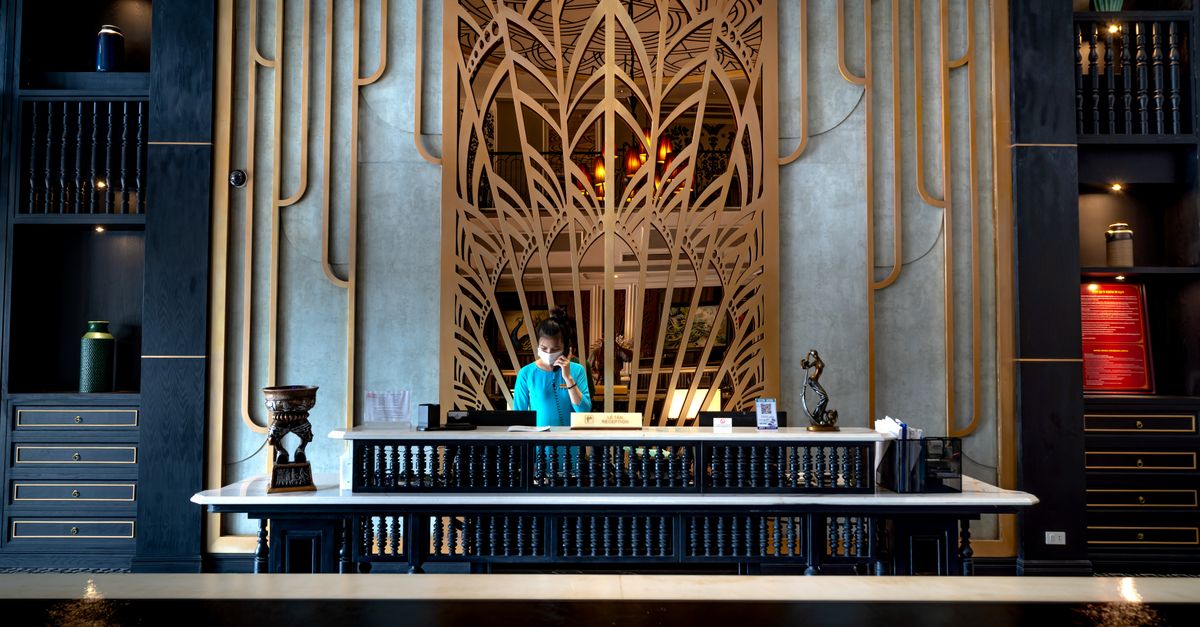
Concierge security is a staffed front-desk post that handles both hospitality and access control. The officer greets residents, checks in visitors, logs parcels and manages keys and fobs, and they also decide who gets past the lobby. A receptionist's main job is service. A concierge security officer is also responsible for the building's security: stopping tailgating, noticing people who don't belong, walking common areas between arrivals, and writing reports when something happens.
A typical concierge security shift in a Lower Mainland condo or rental tower includes:
Access control: checking visitors, trades and delivery drivers, confirming them with residents, and logging who came in and when.
Parcel and key management: keeping a documented record of every delivery and every fob or key handed out.
Move-ins and trades: enforcing elevator bookings and building rules, and noting any damage.
Common-area rounds: short walks of the parkade, amenity rooms, bike storage and stairwells during quiet periods.
First response: the first calm person on scene for alarms, water leaks, medical calls and disputes, who calls emergency services when needed.
Reporting: shift logs and incident reports the property manager and strata council can use.
The service side matters: residents who like the concierge cooperate with access rules. For more on how we staff this role, see our condominium concierge service.
A standard security guard, often called a static or stationary guard, is posted at one property to protect it. Service is not the main job. The guard's time goes to patrolling the property, watching entrances and perimeters, checking doors and gates, responding to alarms and incidents, and documenting everything. Guards are often posted where there's no lobby to run: warehouses, construction sites, industrial yards, parking lots and commercial buildings after hours.
Guards can still be courteous and approachable, but the role is built around protecting the property, not managing visitors. In a residential building, a standard guard spends more of the shift walking the property than sitting at a desk.
Key insight: the real difference between concierge security and a standard guard is where the officer spends the shift. A concierge is mostly at the front door. A standard guard is mostly patrolling the property.
Mobile patrol is a third option that buildings often overlook. Instead of a guard on site for the whole shift, a patrol officer in a marked vehicle visits several properties on a schedule. At each visit they check doors, parkades, garbage rooms and perimeters, deal with anything they find, and log the visit. The Security Services Regulation requires vehicles used for a security guard service to display the word "SECURITY" on both sides, unless the registrar approves an unmarked vehicle. That means anyone on the property can see the patrol.
Patrol visits don't replace a desk. Nobody is there between visits to greet visitors or stop tailgating. But patrol can back up a concierge post that only covers part of the day. It also suits smaller buildings that need a regular presence and someone to respond to alarms, but not a full-time officer. Our GPS-tracked mobile patrol logs each visit so the property manager can check it happened.
The table below compares the three options on the points property managers usually ask about. It describes typical setups. Your own post orders can mix these duties.
Factor
Concierge security
Standard (static) security guard
Mobile patrol
Main purpose
Front-desk service plus access control
Protect the property and respond to incidents
Scheduled checks and alarm response across several sites
Where the officer spends the shift
At the lobby desk, with short common-area rounds
Patrolling the property, entrances and perimeter
On the road, with short visits to each site
Presence
Continuous during scheduled hours
Continuous during scheduled hours
Only during each visit
Visitor, parcel and key handling
Core duty
Occasional, depends on post orders
No
Stopping tailgating at the front door
Strong: someone is at the door
Moderate: the guard is often patrolling elsewhere
Limited to visit times
Best-fit properties
Condo and rental towers, mixed-use buildings, seniors' residences, hotels
Warehouses, construction sites, industrial yards, commercial buildings
Smaller buildings, vacant properties, parkades, sites that need alarm response
Choose based on your building's actual problems, not what the building next door has. When we assess a building, these are the patterns we look for:
High-traffic residential towers. If there are constant deliveries, move-ins, short-term visitors and trades, the lobby is where control matters most. Concierge security usually fits best, at least for the busiest hours.
Buildings with overnight parkade or storage-room problems. Break-ins at night through tailgated gates call for someone who is awake and moving around. Options are an overnight concierge who does regular parkade rounds, or a static guard. See our page on apartment building security for how we set up those shifts.
Smaller strata buildings on a tight budget. A building with a few dozen units and occasional problems often doesn't need a desk. Scheduled mobile patrol with alarm response gives it a regular presence at much lower cost.
Commercial and industrial property. With no residents to serve and no lobby traffic after hours, a standard guard or patrol usually fits better than a concierge.
Mixed needs. Many buildings do best with a hybrid: a concierge desk during peak hours and mobile patrol checks for the rest of the night.
Key insight: most buildings don't need 24/7 concierge security. Match staffed hours to when incidents actually happen, and use patrols for the other hours. This is usually the most cost-effective setup.
Some buildings assume a concierge is a customer-service job with different rules. In BC, what counts is the work the person does, not their job title. The Security Services Act says an individual must not do security work unless they hold a valid security worker licence for that kind of work, are exempt by regulation, or the registrar has decided the security work is incidental to their main job. The Act defines a security guard service to include providing a guard patrol or watch of property and performing services to prevent the loss of property. A company that supplies guards must also hold a security business licence.
So a concierge security officer who controls access, patrols common areas and responds to incidents is doing security work, just like a static guard or patrol officer. The Security Services Regulation sets out one "security guard" licence class that covers security guard service work, including loss prevention and responding to alarms. It also sets uniform rules for licensees providing a security guard service. The uniform must show the word "SECURITY" on the chest and the name of the employer, and must not resemble a police uniform. Front-desk officers need to be as clearly identified as any other guard.
You can check a licence yourself with the province's free security licence verification tool. Every On Guard officer holds a valid BC security worker licence and completes Basic Security Training through a Ministry-approved provider such as the JIBC. Every new hire also spends a week in one-on-one training with a senior officer before working a post alone.
We don't quote rates in articles, because the right price depends on the building. How each option is billed is straightforward, though:
Concierge security and static guards are billed hourly, per post. The total depends on how many hours a day the desk or post is staffed, how many posts are needed at once, and whether coverage includes overnights, weekends and statutory holidays.
Mobile patrol is usually billed per visit or as a monthly patrol plan. Cost depends on the number of visits a night, how long each visit lasts, and whether alarm response is included.
Hybrid coverage combines the two. A desk covers the busiest hours and patrol covers the rest, which usually costs well below round-the-clock desk coverage.
Other things that affect the quote are the size of the building, the number of entrances and parkade levels, any special duties such as parcel-room control, and how detailed the reports need to be. For more on these cost drivers, see our guide to security guard costs in BC.
On Guard Security Ltd. has provided concierge security, static guards and mobile patrol from our Surrey office for more than 10 years. We cover Surrey, Vancouver, Burnaby, Richmond, Langley, Abbotsford and the wider Lower Mainland and Fraser Valley. Our operations line is staffed 24/7, and we are WorkSafeBC compliant and fully insured. We'll walk the building, review your incident history and recommend concierge security, a guard, patrol, or a mix of them. Call 778-990-5070 or request a consultation.
A security concierge staffs a building's front desk and handles both service and security. They greet residents, check in and log visitors and trades, manage parcels and keys, stop tailgating, walk common areas between arrivals, respond first to alarms and incidents, and write shift and incident reports for the property manager.
What is the difference between a concierge and a security guard?
A concierge security officer mostly works from the front desk, combining customer service with access control. A standard security guard mostly patrols and protects the property, and service is secondary. In BC, both roles involve security work, so both need a valid security worker licence. The right choice depends on whether your main risk is at the front door or across the whole property.
What is the best residential concierge company in Vancouver, BC?
There is no official ranking. The best provider for your building is one that can show licensed officers, clear training, useful reporting, 24/7 support and proof of insurance and WorkSafeBC coverage, and that recommends coverage based on your incident history. On Guard Security Ltd. provides concierge security across Vancouver and the Lower Mainland from our Surrey office.
What are the top 5 security companies in Canada?
There is no official ranking of security companies in Canada, and size doesn't tell you who will serve your building best. For a BC property, check that the company holds a BC security business licence, that its officers hold security worker licences, and ask about local supervision, training, reporting and how quickly a person answers the phone at night.
Does a concierge need a security licence in BC?
If the concierge does security work, such as controlling access, patrolling or watching the property, or preventing loss, then yes. The Security Services Act requires anyone doing security work to hold a valid security worker licence unless they are exempt by regulation or the registrar decides the security work is incidental to their main job. You can check any licence with the province's free verification tool.
How is concierge security priced?
Concierge security is billed hourly, per post. The total depends on how many hours a day the desk is staffed, how many posts are needed and whether overnights, weekends and holidays are covered. Many buildings reduce cost by staffing the desk during peak hours and using mobile patrol for the rest of the night.
Google Review
Jack Willson
A pleasure to recommend company On Guard Security; mostly I enjoyed their quality services and effective response. They understand our security needs and able to ensure the best possible or professional services. Team members were professional, friendly experienced and highly approachable and live up to our expectations.
Google Review
James Cook
On guard security is my preferred choice when I need reliable security services. The team and professional service are unmatched. Their security guards and overall security are really dedicated. Recommend them for any security guard or private protection services!
Google Review
Patrick Parker
The reason I called on guard security is because they are local. They did not waste any time from the first phone call. I greatly appreciate the professionalism, service, and peace of mind offered by this security company.
Google Review
Thomas Chase
I was experiencing many incidences of shoplifting at my store and so I hired On Guard Security to provide professional guards. They did a fantastic job and now my business and merchandise are fully protected.
Google Review
Jon Wiltz
I was looking for a reliable and affordable security company for my clothing store and On Guard Security Ltd have done a fantastic job! I would definitely recommend them to fellow small business owners.
Google Review
Alan Cooper
I am happy with the performance of On Guard Security Staff assigned to our facilities. The guards respond quickly to needs and questions. I would definitely recommend this security company to others.
Google Review
~CrystalStarHomesLtd.
The guards were friendly and very cooperative. Excellent services with prices you can’t turn down. I had 24 hours security patrol on all sites. I would recommend OnGuard Security to anyone who’s looking for security services . Thanks so much Rajan really appreciate your services looking forward to meet again!
Google Review
~Jovan Dhillon
Very respectful staff, staff got to my site on time. Would book again
Google Review
~Aman Johal
I would highly recommend On Guard Security. We hired them for my brothers wedding and they provided great service. The staff always showed up on time.
Google Review
~Jason Powell
We used On Guard for our building while we were transitioning to our new intercom and entry system. They were always incredibly professional to deal with and the guards showed up well ahead of time and did a great job as we went through the process, which extended longer than expected. On Guard was also great at getting somebody on site the first night we needed them on very short notice. Overall, we were extremely happy with their service.
Google Review
~Balraj Malhi
Very good company to work with on gaurd ” Rajan is very proffesional and so are the guards. I would definetly reccomend On Guard security”Always Treat like a Famliy
Google Review
~kiran sohal
I hired on guard for my sisters wedding this past weekend, the guards were there 15 minutes early and made sure everything went smoothly , definitely will hire again
Google Review
~Sukh Brar
Provided an excellent service with my wedding events last week!! Very professional team of workers. Will definitely call for on guard’s services for future needs.