Removing Trespassers from Commercial Property in BC: What the Law Allows

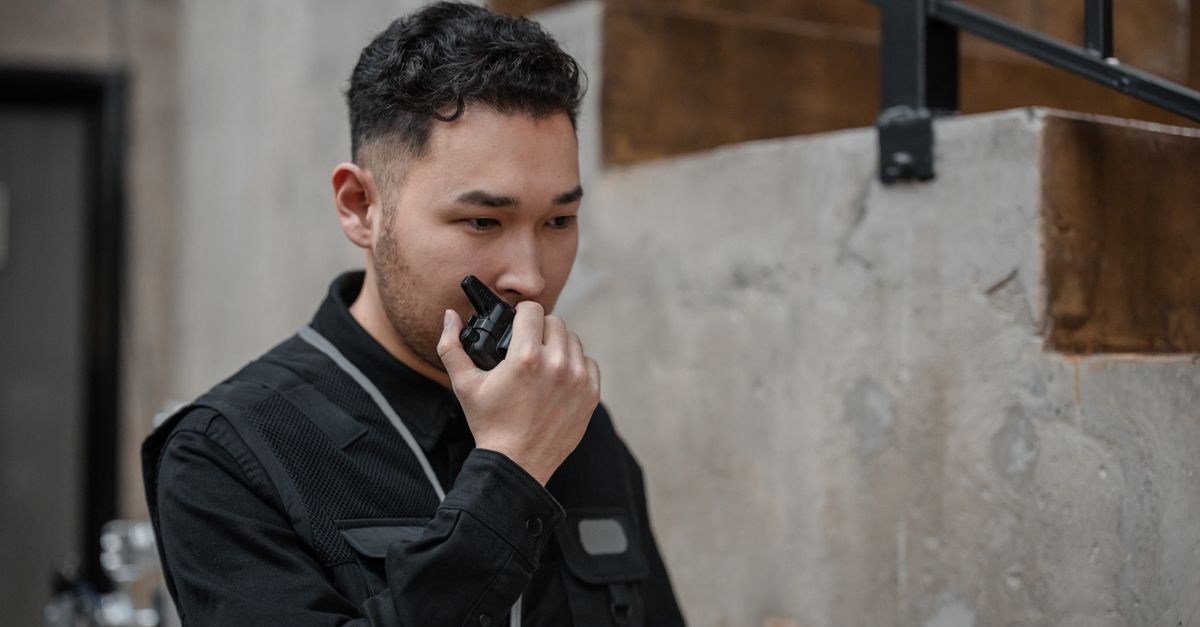
Security officer speaking calmly with a person near a commercial building entrance in Surrey BC

Most BC business owners have had to deal with an unwanted person on their property at some point. It might be someone sleeping in a loading bay or a person who keeps coming back after being asked to leave. Removing trespassers in BC is mostly done with notice, clear direction and documentation, not force. This guide covers what the Trespass Act allows, how to post signs and give notice properly, what you and your security guards can and can’t do, when to call police, and how to prevent the problem in the first place.

This article is general information about BC law as published, not legal advice. For a specific situation, speak with a lawyer or your local police.

Key takeaways

  • Under the BC Trespass Act, a person who has been told to leave, orally or in writing, commits an offence if they don’t leave as soon as practicable or if they come back.
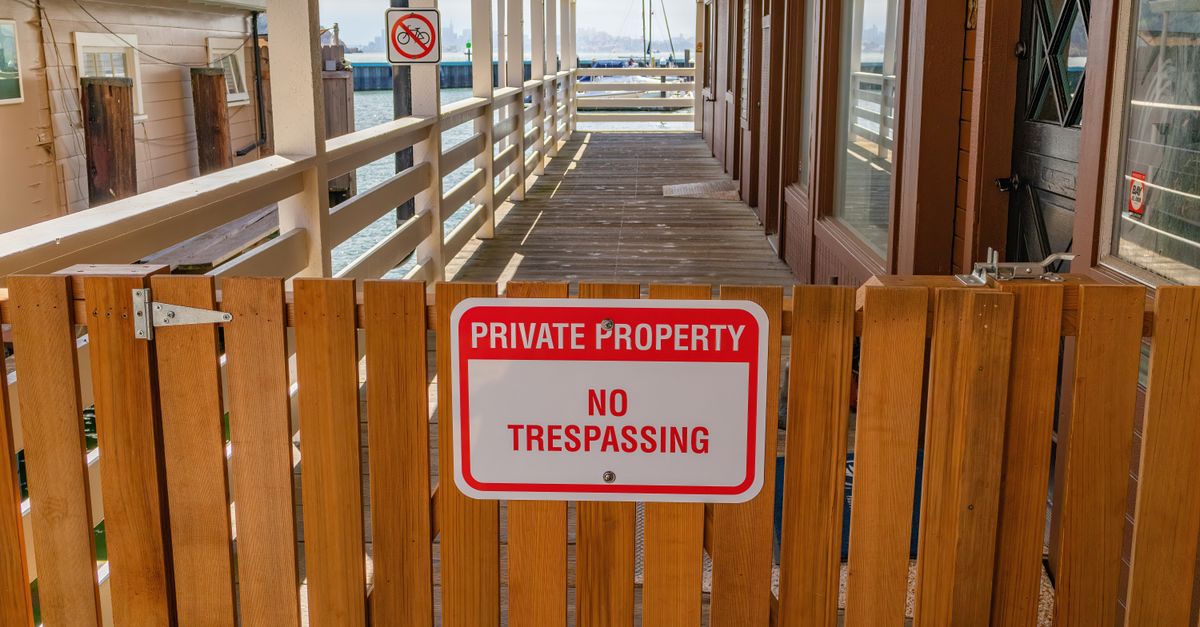
  • Signs count as notice when they are clearly visible and legible from each ordinary point of access. Properly posted land counts as “enclosed land” under the Act.
  • An owner can authorize a security company to act for them. That lets a guard give notice, direct someone to leave, and ask for their name and address.
  • The Trespass Act’s arrest power belongs to peace officers. Security guards have no police powers, so in practice they direct, document and call police.
  • The Criminal Code allows only force that is “reasonable in the circumstances” to remove someone from property. Calm words almost always work better and are far safer for everyone.

The main law is the provincial Trespass Act. It centres on the occupier of premises, which means the person entitled to control the property or who is responsible for it. That can include a tenant or property manager, not just the registered owner. The Act also recognises an authorized person: someone the occupier has authorized to exercise the occupier’s powers under the Act. A security company working under contract for a property is usually acting as that authorized person.

Security officer speaking calmly with a person near a commercial building entrance in Surrey BC

Section 2 of the Act sets out three ways a person commits trespass:

  • Entering enclosed land. This includes land surrounded by a lawful fence or natural boundary, and land posted with signs that prohibit trespass. Anyone found on enclosed land is presumed to be there without consent.
  • Entering after notice from the occupier or an authorized person that entry is prohibited.
  • Doing a prohibited activity after notice, such as overnight parking.

The Act also makes it an offence not to leave, or not to stop an activity, “as soon as practicable” after being directed to, or to come back after being told to leave. Section 3 sets out the defences: a person is not guilty if they had the occupier’s consent, other lawful authority, or “colour of right” (an honest belief that they were entitled to be there).

Trespass under this Act is a provincial offence, not a crime under the Criminal Code. That affects who can arrest for it, as covered below.

Signs and notice: making the rules clear

Most of the work of removing trespassers happens before anyone arrives, through notice. Section 4 of the Act allows notice orally, in writing, or by a sign posted at or near an ordinary point of access that is clearly visible, with legible writing, from the approach in daylight and normal weather.

The Act also says:

  • A sign showing an activity with an oblique line through it counts as notice that the activity is prohibited.
  • Notice can apply to all or part of a property. You can prohibit entry to a loading dock and leave the storefront open to customers.
  • Only the occupier or an authorized person may remove, alter or deface these signs. Anyone else who does commits an offence.

In practice, put a lit, readable sign at every driveway, gate, lane and path, and say plainly if the rules differ by area or time.

Key insight: good signs do most of the work. When the property’s rules are posted clearly at every entrance, a guard only has to point to the sign and ask the person to leave, and there is rarely any argument.

Asking someone to leave

Once someone has been told to leave, the Act does most of the work. A direction from the occupier or an authorized person to leave or stop an activity can be oral or written. If the person doesn’t comply as soon as practicable, or comes back, they commit an offence. Section 6 adds that when the occupier or authorized person has reasonable grounds to believe someone is trespassing, or has trespassed, that person must give their correct name and address on demand. Refusing is a separate offence.

How you ask matters as much as what the law says. We train officers to:

  • Say who they are and who they work for, explain the rule in plain words, and ask the person to leave.
  • Allow reasonable time to collect belongings, stay calm and keep a safe distance.
  • Record the time, the direction given and the response.

Many people on commercial property at night aren’t there to cause harm; some are sheltering because they have nowhere else to go. When removing trespassers, a respectful approach usually gets a quicker result and keeps everyone safer.

Can you physically remove someone?

The Criminal Code has a defence for this situation. Section 35 (defence of property) says a person is not guilty of an offence when, believing on reasonable grounds that they are in peaceable possession of property or acting under the authority of the person who is, they act to prevent someone entering without legal right or to remove them. The act must be “reasonable in the circumstances”.

This defence is judged after the fact, by police, prosecutors and possibly a court, based on everything that happened. It is not a general right to use force. Pushing someone out of a doorway can quickly turn a trespass problem into an assault complaint, an injury or a lawsuit.

Key insight: having a legal defence doesn’t make force a good plan. If someone refuses to leave, the safest option is usually to step back, document what happened and call police, not to take hold of them.

What security guards can and can’t do

A licensed security guard acting for the occupier has the same trespass powers as the occupier, and no more. Guards are not peace officers and have no police powers. Section 7 of the Trespass Act gives the power to arrest without a warrant for trespass to peace officers. The Criminal Code’s general arrest power (section 494) lets any person, including an owner or someone the owner authorizes, arrest a person they find committing a criminal offence on or in relation to the property. The arrested person must then be handed to a peace officer “forthwith”. Simple trespass under the provincial Act isn’t a criminal offence, so in most trespass situations the guard’s job is to direct, document and call police.

A guard acting for the occupier can A guard cannot
Give notice that entry or an activity is prohibited Arrest someone for trespass under the Trespass Act. That power belongs to peace officers.
Direct a person to leave or to stop an activity Use more force than is reasonable in the circumstances
Ask for a name and address when there are reasonable grounds to believe the person is trespassing Present themselves as police or act as though they have police powers
Observe, record and report incidents, and give their notes to police Wear a police-style uniform or carry an identification badge (Security Services Regulation s.12)
Call police and stay to meet them Carry handcuffs or other restraints unless the registrar has authorized it (Regulation s.11)
Arrest a person found committing a criminal offence on the property (Criminal Code s.494), then hand them to police right away Hold someone and wait to deal with them later. Anyone they arrest must go to a peace officer right away.

The equipment and uniform limits come from the Security Services Regulation. That’s also why we staff trespass calls with trained, unarmed security guards whose job is to calm things down, not to escalate.

When to call police vs security

As a general guide, when removing trespassers:

  • Call 911 if anyone is in danger, if there is violence or a weapon, a fire, a medical emergency or a break-in in progress.
  • Call your local police non-emergency line if someone refuses to leave after being told, keeps coming back, or gives a false name, and no one is in immediate danger.
  • Call your security provider to give notice, check the property after hours and keep the record behind any police report.

For sites with after-hours problems in lots, lanes or loading bays, GPS-tracked mobile patrol gives regular, documented visits without the cost of a full-time guard.

Documentation: why the paperwork matters

Removing trespassers who keep coming back depends on records. An incident report should record the date, time and exact location, a description of the person, what was said, whether they left, and whether police were called, including any file number. Photos of the signs at each entrance also help show that notice was given properly.

Records show police a pattern, show you where and when problems happen, and support you if a conviction follows. Under section 8 of the Trespass Act, the Provincial Court can order someone convicted of trespass to pay restitution for the damage or loss they caused.

Prevention: keeping unwanted people off your property

Prevention is cheaper and kinder than removing trespassers again and again. What works best on commercial property:

  • Lighting at entrances, lanes, loading bays and parking areas.
  • Access control: doors that close and lock, gates on loading areas and parkades, and no propped doors.
  • Clear signs at every ordinary point of access, as described above.
  • Site layout: clear alcoves and hiding spots, and secure dumpster areas.
  • A visible presence: a patrol or guard at the hours problems happen.

Cameras help with evidence but work best alongside people who can respond. For retail plazas, offices and mixed-use sites, our commercial security services combine these measures into a plan that fits your hours and your budget. For lots and parkades specifically, see our parking lot security.

Get help with your property

On Guard Security Ltd. has worked with Lower Mainland businesses and property managers for more than 10 years from our Surrey office. Our officers are licensed and JIBC-trained, and we’re WorkSafeBC compliant, fully insured and staffed 24/7. We’ll walk your site, check your signs and access points, and recommend the least intrusive coverage that works. Call 778-990-5070 or request a consultation.

Frequently asked questions

Can you physically remove someone from your property in Canada?

The Criminal Code (section 35) provides a defence for acts done to prevent someone entering, or to remove them from, property you peaceably possess or act for, but only if the act is reasonable in the circumstances. The defence is judged after the fact. In practice, directing the person to leave, documenting what happened and calling police is safer and carries less legal risk than using force.

How to keep unwanted people off your property?

Post clear, lit signs at every ordinary point of access, improve lighting, secure doors, gates and loading areas, remove sheltered hiding spots, and provide a visible presence through a guard or scheduled mobile patrol at the hours problems happen. Handle every incident the same respectful way and keep written records.

What are the trespass laws in BC?

The main law is the provincial Trespass Act. It is an offence to enter enclosed land, to enter or do a prohibited activity after notice from the occupier or an authorized person, and to fail to leave as soon as practicable after being told to, or to come back. Notice can be given orally, in writing or with properly posted signs. Trespassers must give their name and address when asked. Peace officers can arrest without a warrant for trespass.

How to scare off trespassers?

Deterrence works better than intimidation. Good lighting, clear signs, secured access points and a regular, visible security presence make a property less attractive to trespassers. Threats or aggressive tactics can put people at risk and expose you to legal liability, so avoid them.

Can a security guard arrest a trespasser in BC?

Generally, no. The Trespass Act gives the power to arrest without a warrant for trespass to peace officers, and security guards are not peace officers. The Criminal Code lets any person, including someone authorized by the owner, arrest a person found committing a criminal offence on the property, but simple trespass under the provincial Act isn’t a criminal offence. A guard’s role is to give notice, direct the person to leave, record what happens and call police.

What should a no trespassing sign say in BC?

The Trespass Act doesn’t prescribe exact wording. It requires signs to be clearly visible from the approach to each ordinary point of access, with legible writing, in daylight and normal weather. A sign showing an activity with an oblique line through it counts as notice that the activity is prohibited. Keep the wording plain, and say if the rule applies only to part of the property or at certain times.


Do You Need Security at Your Wedding? A Guide for BC Couples

Wedding security guard in a dark suit greeting guests at a reception venue entrance in the Lower Mainland

Most weddings run without a security guard, and most couples never need one. But some do. A venue contract may require it, the guest list may be large, the bar may be open late, or there may be a family situation everyone is quietly worried about. This guide is for couples in Surrey, Vancouver and the rest of the Lower Mainland who are trying to decide whether wedding security is worth it. It covers when a guard makes sense and when it doesn’t, what a guard actually does on the day, how the cost is worked out, what BC law says about who can do the job, and the questions to ask before you book anyone.

Key takeaways

  • There is no blanket rule that every wedding needs a guard. When security is required, it usually comes from the venue, the caterer or an insurer, so check your contracts first.
  • Wedding security makes the most sense for large guest lists, late bars, open venues, visible gifts or cash, and known family or guest conflicts.
  • Good wedding security is quiet: controlled entry, a watchful eye on the gift table and parking lot, and calm handling of problems before guests notice them.
  • In BC, anyone paid to provide a security guard service must hold a provincial security worker licence, and licensed guards may not carry firearms on the job.
  • Cost is driven by hours, the number of guards, the date and the notice you give, so the earlier you plan, the more options you have.

Do you need wedding security?

Start with your paperwork, not your nerves. Couples often hire a guard because someone else asked for one. Banquet halls, community venues and outdoor sites sometimes write a security requirement into the rental agreement, especially for large receptions, late finishes or events with alcohol, and caterers and event insurers can have their own conditions. If any of those documents mention security, the decision is made for you, and the only question is who you hire.

Wedding security guard in a dark suit greeting guests at a reception venue entrance in the Lower Mainland

If nobody has asked for it, weigh the situations where a guard genuinely helps:

  • A large guest list. Once families can’t recognise everyone at the door, uninvited people can walk in more easily.
  • Alcohol and a late finish. Late in the evening, after hours of drinking, is when a small disagreement is most likely to escalate. A guard helps staff deal with one difficult guest before it becomes a scene.
  • Gifts and cash. Envelopes, a card box or a gift table near an open entrance is an easy target. Many cultural traditions also involve cash gifts or jewellery that families want watched.
  • An open or multi-entrance venue. Outdoor weddings, farms, parks and halls with several doors are harder to control than a hotel ballroom with one entrance.
  • Family tension. Estranged relatives, a difficult ex, or a guest who has been asked not to attend. A guard who has been briefed quietly can keep an eye out and step in politely if needed.
  • Parking. Guests’ cars sit unattended for hours; a guard can check the lot.

Key insight: wedding security is rarely about crime. It’s about letting the couple and their families stop watching the door, so they can actually be at their own wedding.

When you probably don’t need a guard

We’d rather tell you honestly when a guard isn’t worth the money. A small restaurant dinner, a hotel reception where the hotel manages the entrance, or a daytime ceremony with a short guest list and no bar rarely needs dedicated security.

If you’re unsure, ask your venue whether it has its own staff on the doors, what happens if a guest has to be asked to leave, and whether the agreement mentions security. If the answers are “yes”, “we handle it” and “no”, you may not need anyone else.

What wedding security guards do on the day

Good wedding security is mostly invisible. On a typical assignment, guards will:

  • Control entry. Greet arrivals at the reception door, check against a guest list or invitation where you want that, and politely turn away people who weren’t invited.
  • Watch the gift and card table. Keep an eye on envelopes and gifts all evening, and help move them securely to a family member’s car or a locked room at the end of the night.
  • Support the venue’s alcohol rules. Work with the bar staff and venue to help manage guests who have had too much, and make sure nobody takes drinks outside where the venue doesn’t allow it.
  • Handle conflict calmly. Step in early when voices rise, separate people, and walk someone out quietly if the family or venue asks, without turning it into a scene.
  • Check the parking lot and other outside areas at regular intervals during the reception.
  • Act in an emergency. Call 911, direct first responders and help staff with an evacuation if needed.
  • Write it down. Record anything significant in an incident report for the venue or an insurer.

Private guards have no police powers, and a professional wedding guard’s job is to prevent trouble and manage it calmly, not to confront guests. Our guide to unarmed security guards covers why a calm, unarmed approach suits events like weddings.

How many guards, and for how long?

There is no official ratio of guards to wedding guests in BC, and anyone quoting you a fixed formula is guessing. The number depends on the venue and on what you need covered. Think in posts: each place that needs someone there at the same time. A single-entrance hall may need one guard; a venue with two entrances, a separate lot and a late bar may need two or more so the door isn’t left empty while someone checks the lot.

Hours matter as much as headcount. Many couples book security only for the reception, from guest arrival until the last guests and gifts have left. Don’t cut the late part of the night to save an hour; that is when it matters most.

Wedding situation Typical security approach Main focus
Small restaurant or hotel dinner, no late bar Often none needed; venue staff handle it Confirm the venue’s own arrangements
Banquet hall reception with a bar One or more guards for the reception hours Entry, guest behaviour late in the night, gift table
Large cultural wedding over several days Guards for the busiest events, not necessarily every event Crowd flow, cash gifts and jewellery, parking
Outdoor, farm or park venue Guards covering entrances and parking Open boundaries, vehicle access, equipment left overnight
Known family conflict or uninvited guest risk A briefed guard at the entrance Quietly recognising and turning away specific people

This table is a starting point for conversation, not a rule.

Dress code and discretion

A guard doesn’t have to make your wedding feel like a nightclub. Agree in advance how guards will be dressed and where they will stand. Some couples want a visible, uniformed guard at the door to discourage uninvited guests; others prefer guards who blend in.

BC’s Security Services Regulation sets rules for guard uniforms. For example, a guard’s uniform must show the word “SECURITY” on the chest and must not resemble a police uniform. Ask the company what their guards will wear at your event and how that fits the rules.

Discretion also means briefing. Before the day, give the guard lead the key family contacts, any guests who shouldn’t be admitted (with a photo if you have one), where gifts will go and when the venue closes.

Key insight: the ten-minute briefing call a week before the wedding is where most of the value comes from. A guard who knows who to watch for and who to call is far more useful than one who arrives cold.

What BC law says about wedding guards

Under the Security Services Act, an individual who is paid to provide a security guard service in British Columbia must hold a valid security worker licence for that work, and the company supplying them must hold a security business licence. The Act defines a security guard service to include guarding or watching property and guarding an individual, which covers what a wedding guard does.

A cousin who watches the door for free doesn’t need a licence, because the Regulation exempts people doing security work for no pay (door security at licensed liquor establishments is the exception). But paying a friend, a bouncer you met online or an unregistered “event staff” outfit to do security at your wedding means paying someone who, unless licensed, isn’t allowed to do the work. The Regulation requires licensed security businesses to carry general liability insurance of at least $1,000,000.

Before you book, check the company and the guards through the province’s free security licence verification tool. It takes a minute.

How wedding security cost is worked out

Wedding security is almost always billed hourly per guard. We don’t publish a single rate here because the total depends on the event, but these are the factors that move the price:

  • Number of guards and hours. The biggest driver by far.
  • Minimum shift length. Many security companies set a minimum number of hours per guard, so a very short booking may still be charged at the minimum.
  • Date. Summer Saturdays and long weekends are the busiest dates for event security, and statutory holidays can carry a premium.
  • Notice. Booking weeks ahead gives you the most choice. Last-minute requests can be harder to staff.
  • Scope. A multi-day wedding costs more than a single reception, though you needn’t cover every event.

For current rate ranges and how security companies in the province price their services, read our BC security guard pricing guide. For an accurate quote, give the venue, guest count, times and any specific concerns.

Questions to ask before you book

  • Are you and your guards licensed in BC? Ask for the business licence number and check it yourself.
  • Are you insured and WorkSafeBC compliant? A certificate of insurance and a WorkSafeBC clearance letter are better than “we’re covered”. Your venue may ask for the certificate too.
  • Have your guards worked weddings or private events before? A reception needs a different manner from a warehouse.
  • What will the guards wear, and where will they stand? Agree this in advance.
  • Who is the contact on the day? One name and a number answered 24/7.
  • How do you handle a guest who has to leave? Listen for words like “calmly”, “privately” and “with the venue”, not “we’ll deal with it”.

If you’re planning security for more than one event, such as an engagement party, sangeet, reception and brunch, our private event security service covers the whole series. We also work with hotels and hospitality venues that host receptions.

Booking wedding security in the Lower Mainland

On Guard Security Ltd. is a locally owned security company based at 12565 88 Ave in Surrey, with more than 10 years of experience in BC. We provide wedding security across Surrey, Vancouver, Richmond, Burnaby, Langley, Abbotsford and the Fraser Valley. Every guard we assign is BC-licensed and JIBC-trained, new officers complete a week of one-on-one training with a senior officer before working independently, and we are WorkSafeBC compliant and fully insured. Our operations line is staffed 24/7, including on the day of your event.

Tell us the venue, date, guest count and concerns, and we’ll give you an honest recommendation, including telling you if you don’t need us. Call 778-990-5070 or request a consultation.

Frequently asked questions

Do you have to have a security guard at a wedding?

Not as a general rule. Most weddings don’t need a guard. A requirement usually comes from the venue’s rental agreement, the caterer or an event insurer, so check those documents first. Couples also choose security for large guest lists, late bars, open venues, cash gifts or known family tension.

What does a wedding security guard do?

A wedding guard controls entry and turns away uninvited guests, watches the gift and card table, helps the venue manage guests who have had too much to drink, checks the parking lot, calls 911 and directs responders in an emergency, and writes up anything significant. Good wedding security is quiet and calm, not confrontational.

How much does private security cost in Canada?

Private security is usually billed hourly per guard, so the total depends on how many guards you need, for how many hours, the date, how much notice you give and the location. Many companies also set a minimum shift length. Ask for a quote based on your venue, guest count and times rather than relying on a single advertised rate.

How much does a security guard cost for a day?

A day’s cost is the hourly rate multiplied by the hours booked and the number of guards. For a wedding, most couples book only the reception hours, from guest arrival until the last guests and gifts have left, rather than a full day. Weekends in summer and statutory holidays are the busiest dates.

Can you hire armed bodyguards in Canada?

In British Columbia, no. The Security Services Act prohibits licensed security workers from carrying a firearm while doing security work. The only exception is that the registrar may permit armoured car guards to carry one. Wedding and event guards work unarmed, and On Guard Security Ltd. does not provide armed guards.

What is the hourly rate of a security guard?

Hourly rates vary with the type of work, the date, the notice given, the location and the length of the booking, so there isn’t one fixed figure. For an accurate number, contact a licensed company with your event details. On Guard Security Ltd. can be reached 24/7 at 778-990-5070.

Concierge Security vs Security Guard: Which Does Your Building Need?

Concierge security officer at a condo lobby front desk in the Lower Mainland

Strata councils and property managers often ask us the same thing: should the building have concierge security at the front desk, a standard security guard, or a patrol that drops in a few times a night? All three can be the right answer. They cost different amounts, and they solve different problems. This guide explains what concierge security is, how it differs from a standard security guard and from mobile patrol, which buildings suit each one, what BC’s licensing rules say, and how each option is priced.

Key takeaways

  • Concierge security combines front-desk service with access control. It suits buildings where residents, visitors and deliveries arrive all day and the lobby is the main control point.
  • A standard security guard is focused on protecting the property: patrols, watching for intrusion, and responding to incidents. The service element is secondary.
  • Mobile patrol means scheduled visits rather than a constant presence. It is the lower-cost option when a building doesn’t need someone on site all shift.
  • In BC, a person doing security work must hold a security worker licence under the Security Services Act. A concierge who controls access and patrols is doing security work.
  • Concierge and static guard posts are billed hourly per post. Mobile patrol is usually billed per visit. Your incident pattern, not a template, should decide the mix.

What is concierge security?

Concierge security is a staffed front-desk post that handles both hospitality and access control. The officer greets residents, checks in visitors, logs parcels and manages keys and fobs, and they also decide who gets past the lobby. A receptionist’s main job is service. A concierge security officer is also responsible for the building’s security: stopping tailgating, noticing people who don’t belong, walking common areas between arrivals, and writing reports when something happens.

Concierge security officer at a condo lobby front desk in the Lower Mainland

A typical concierge security shift in a Lower Mainland condo or rental tower includes:

  • Access control: checking visitors, trades and delivery drivers, confirming them with residents, and logging who came in and when.
  • Parcel and key management: keeping a documented record of every delivery and every fob or key handed out.
  • Move-ins and trades: enforcing elevator bookings and building rules, and noting any damage.
  • Common-area rounds: short walks of the parkade, amenity rooms, bike storage and stairwells during quiet periods.
  • First response: the first calm person on scene for alarms, water leaks, medical calls and disputes, who calls emergency services when needed.
  • Reporting: shift logs and incident reports the property manager and strata council can use.

The service side matters: residents who like the concierge cooperate with access rules. For more on how we staff this role, see our condominium concierge service.

What a standard security guard does

A standard security guard, often called a static or stationary guard, is posted at one property to protect it. Service is not the main job. The guard’s time goes to patrolling the property, watching entrances and perimeters, checking doors and gates, responding to alarms and incidents, and documenting everything. Guards are often posted where there’s no lobby to run: warehouses, construction sites, industrial yards, parking lots and commercial buildings after hours.

Guards can still be courteous and approachable, but the role is built around protecting the property, not managing visitors. In a residential building, a standard guard spends more of the shift walking the property than sitting at a desk.

Key insight: the real difference between concierge security and a standard guard is where the officer spends the shift. A concierge is mostly at the front door. A standard guard is mostly patrolling the property.

Where mobile patrol fits

Mobile patrol is a third option that buildings often overlook. Instead of a guard on site for the whole shift, a patrol officer in a marked vehicle visits several properties on a schedule. At each visit they check doors, parkades, garbage rooms and perimeters, deal with anything they find, and log the visit. The Security Services Regulation requires vehicles used for a security guard service to display the word “SECURITY” on both sides, unless the registrar approves an unmarked vehicle. That means anyone on the property can see the patrol.

Patrol visits don’t replace a desk. Nobody is there between visits to greet visitors or stop tailgating. But patrol can back up a concierge post that only covers part of the day. It also suits smaller buildings that need a regular presence and someone to respond to alarms, but not a full-time officer. Our GPS-tracked mobile patrol logs each visit so the property manager can check it happened.

Concierge security vs security guard: side-by-side comparison

The table below compares the three options on the points property managers usually ask about. It describes typical setups. Your own post orders can mix these duties.

Factor Concierge security Standard (static) security guard Mobile patrol
Main purpose Front-desk service plus access control Protect the property and respond to incidents Scheduled checks and alarm response across several sites
Where the officer spends the shift At the lobby desk, with short common-area rounds Patrolling the property, entrances and perimeter On the road, with short visits to each site
Presence Continuous during scheduled hours Continuous during scheduled hours Only during each visit
Visitor, parcel and key handling Core duty Occasional, depends on post orders No
Stopping tailgating at the front door Strong: someone is at the door Moderate: the guard is often patrolling elsewhere Limited to visit times
Best-fit properties Condo and rental towers, mixed-use buildings, seniors’ residences, hotels Warehouses, construction sites, industrial yards, commercial buildings Smaller buildings, vacant properties, parkades, sites that need alarm response
BC licence needed Security worker licence (security guard class) Security worker licence (security guard class) Security worker licence (security guard class)
Typical billing Hourly, per post Hourly, per post Per visit or monthly patrol plan

Which buildings need which?

Choose based on your building’s actual problems, not what the building next door has. When we assess a building, these are the patterns we look for:

  • High-traffic residential towers. If there are constant deliveries, move-ins, short-term visitors and trades, the lobby is where control matters most. Concierge security usually fits best, at least for the busiest hours.
  • Buildings with overnight parkade or storage-room problems. Break-ins at night through tailgated gates call for someone who is awake and moving around. Options are an overnight concierge who does regular parkade rounds, or a static guard. See our page on apartment building security for how we set up those shifts.
  • Smaller strata buildings on a tight budget. A building with a few dozen units and occasional problems often doesn’t need a desk. Scheduled mobile patrol with alarm response gives it a regular presence at much lower cost.
  • Commercial and industrial property. With no residents to serve and no lobby traffic after hours, a standard guard or patrol usually fits better than a concierge.
  • Mixed needs. Many buildings do best with a hybrid: a concierge desk during peak hours and mobile patrol checks for the rest of the night.

Key insight: most buildings don’t need 24/7 concierge security. Match staffed hours to when incidents actually happen, and use patrols for the other hours. This is usually the most cost-effective setup.

Licensing: the same rules apply to both

Some buildings assume a concierge is a customer-service job with different rules. In BC, what counts is the work the person does, not their job title. The Security Services Act says an individual must not do security work unless they hold a valid security worker licence for that kind of work, are exempt by regulation, or the registrar has decided the security work is incidental to their main job. The Act defines a security guard service to include providing a guard patrol or watch of property and performing services to prevent the loss of property. A company that supplies guards must also hold a security business licence.

So a concierge security officer who controls access, patrols common areas and responds to incidents is doing security work, just like a static guard or patrol officer. The Security Services Regulation sets out one “security guard” licence class that covers security guard service work, including loss prevention and responding to alarms. It also sets uniform rules for licensees providing a security guard service. The uniform must show the word “SECURITY” on the chest and the name of the employer, and must not resemble a police uniform. Front-desk officers need to be as clearly identified as any other guard.

You can check a licence yourself with the province’s free security licence verification tool. Every On Guard officer holds a valid BC security worker licence and completes Basic Security Training through a Ministry-approved provider such as the JIBC. Every new hire also spends a week in one-on-one training with a senior officer before working a post alone.

How each option is priced

We don’t quote rates in articles, because the right price depends on the building. How each option is billed is straightforward, though:

  • Concierge security and static guards are billed hourly, per post. The total depends on how many hours a day the desk or post is staffed, how many posts are needed at once, and whether coverage includes overnights, weekends and statutory holidays.
  • Mobile patrol is usually billed per visit or as a monthly patrol plan. Cost depends on the number of visits a night, how long each visit lasts, and whether alarm response is included.
  • Hybrid coverage combines the two. A desk covers the busiest hours and patrol covers the rest, which usually costs well below round-the-clock desk coverage.

Other things that affect the quote are the size of the building, the number of entrances and parkade levels, any special duties such as parcel-room control, and how detailed the reports need to be. For more on these cost drivers, see our guide to security guard costs in BC.

Questions to ask before you choose

Whichever option you choose, ask every provider the same questions before your council votes:

  • Will you give us the licence numbers of the officers assigned to our building so we can check them?
  • How are new officers trained for our building’s post orders before they work a shift alone?
  • What do the shift and incident reports look like, and how often will we receive them?
  • Who do we call at 3 a.m., and does a person answer?
  • Can coverage be adjusted once the incident logs show what the building needs?
  • Can you show proof of insurance and WorkSafeBC coverage?

Talk to On Guard about your building

On Guard Security Ltd. has provided concierge security, static guards and mobile patrol from our Surrey office for more than 10 years. We cover Surrey, Vancouver, Burnaby, Richmond, Langley, Abbotsford and the wider Lower Mainland and Fraser Valley. Our operations line is staffed 24/7, and we are WorkSafeBC compliant and fully insured. We’ll walk the building, review your incident history and recommend concierge security, a guard, patrol, or a mix of them. Call 778-990-5070 or request a consultation.

Frequently asked questions

What does a security concierge do?

A security concierge staffs a building’s front desk and handles both service and security. They greet residents, check in and log visitors and trades, manage parcels and keys, stop tailgating, walk common areas between arrivals, respond first to alarms and incidents, and write shift and incident reports for the property manager.

What is the difference between a concierge and a security guard?

A concierge security officer mostly works from the front desk, combining customer service with access control. A standard security guard mostly patrols and protects the property, and service is secondary. In BC, both roles involve security work, so both need a valid security worker licence. The right choice depends on whether your main risk is at the front door or across the whole property.

What is the best residential concierge company in Vancouver, BC?

There is no official ranking. The best provider for your building is one that can show licensed officers, clear training, useful reporting, 24/7 support and proof of insurance and WorkSafeBC coverage, and that recommends coverage based on your incident history. On Guard Security Ltd. provides concierge security across Vancouver and the Lower Mainland from our Surrey office.

What are the top 5 security companies in Canada?

There is no official ranking of security companies in Canada, and size doesn’t tell you who will serve your building best. For a BC property, check that the company holds a BC security business licence, that its officers hold security worker licences, and ask about local supervision, training, reporting and how quickly a person answers the phone at night.

Does a concierge need a security licence in BC?

If the concierge does security work, such as controlling access, patrolling or watching the property, or preventing loss, then yes. The Security Services Act requires anyone doing security work to hold a valid security worker licence unless they are exempt by regulation or the registrar decides the security work is incidental to their main job. You can check any licence with the province’s free verification tool.

How is concierge security priced?

Concierge security is billed hourly, per post. The total depends on how many hours a day the desk is staffed, how many posts are needed and whether overnights, weekends and holidays are covered. Many buildings reduce cost by staffing the desk during peak hours and using mobile patrol for the rest of the night.

Condo Security in BC: What a Security Guard Does for Your Strata

Condo security concierge at a front desk greeting a resident in a Lower Mainland condominium lobby

Most strata councils start talking about condo security after something specific happens: a string of parkade break-ins, bikes gone from the storage room, parcels missing from the lobby, or strangers found sleeping in a stairwell. The question that follows is always the same. Would a security guard actually fix this, and what kind? This guide is written for strata councils and property managers in Surrey, Vancouver and across the Lower Mainland. It covers the common problems in BC condo buildings, what a condo security guard does day to day, how concierge, mobile patrol and hybrid coverage compare, where cameras fit, and how a council can reach a decision owners will support.

Key takeaways

  • Condo security problems are usually specific and repeatable: parkade theft, tailgating through doors and gates, storage room theft, parcel theft and after-hours trespass.
  • A condo security guard’s core job is controlling access, patrolling common property, responding to residents and alarms, and documenting everything.
  • Concierge security suits busy towers with a staffed lobby; mobile patrol suits smaller or lower-risk buildings; many stratas combine the two.
  • Cameras and access fobs complement guards but don’t replace them: a camera records a problem, a guard can interrupt it.
  • A council gets the best result by logging incidents first, defining what it wants solved, and comparing quotes on the same scope.

Common condo security problems in BC buildings

Condo buildings share a design problem: lots of people have legitimate access, doors and gates open and close all day, and large common areas such as parkades, bike rooms and stairwells are empty most of the time. That makes a handful of issues very common.

Condo security concierge at a front desk greeting a resident in a Lower Mainland condominium lobby
  • Parkade break-ins and vehicle theft. Underground parkades are quiet, often poorly watched, and the overhead gate stays open long enough for someone to walk in behind a car.
  • Tailgating. Someone follows a resident through the front door, a side door or the parkade gate. Residents often hold doors to be polite, which is exactly how it happens.
  • Bike rooms and storage lockers. Once someone is inside, these rooms are private and full of valuable items.
  • Parcel theft. Deliveries left in the lobby or mailroom disappear, especially in buildings without a staffed front desk.
  • After-hours trespass. People looking for shelter in stairwells, garbage rooms or the parkade, sometimes leaving damage or safety hazards behind.
  • Misuse of amenities and move-ins. Unbooked moves, guests in the gym or pool after hours, and elevators left propped open.

Most buildings have two or three of these, not all six. Naming the specific problem is the first step, because it decides which kind of condo security is worth paying for.

What a condo security guard does

A condo security guard’s responsibilities are set out in the post orders the strata and security company agree together. On a typical assignment they include:

  • Access control. Watching the entrances, speaking to people the guard doesn’t recognise, and checking that doors and the parkade gate close fully behind vehicles.
  • Patrols of common property. Walking the parkade levels, stairwells, bike and storage rooms, garbage rooms, amenity spaces and the perimeter on a set schedule.
  • Visitor and contractor management. Signing in trades, letting in booked moves, and confirming visitors with residents where the building’s rules require it.
  • Parcel handling, where the strata wants it: receiving deliveries at the desk and logging them for residents.
  • Responding to residents. Noise complaints, lockouts, suspicious activity and requests for help, handled calmly and reported to the property manager.
  • Alarms and emergencies. Checking fire panel and door alarms, calling 911 when needed, meeting responders at the door and helping with evacuation.
  • Hazard spotting. Water leaks, broken lights, wedged fire doors and damaged gates, reported before they become bigger problems.
  • Documentation. Daily activity logs and incident reports that the council can actually use.

What a condo guard is not is a police officer. Guards have no police powers and act on the strata’s behalf. BC’s Security Services Regulation also lets the registrar hold licensed guards to a code of conduct that includes respecting privacy, treating everyone equally and not using unnecessary force. That matters in a building where the guard will see residents every day.

Key insight: the value of a condo guard comes from routine, not heroics. A closed gate, a challenged tailgater and a leak reported at 2 a.m. prevent more loss than any single dramatic intervention.

Concierge, mobile patrol or hybrid condo security

There are three common ways to staff condo security, and the right one depends on the building’s size, layout and problems.

Model How it works Best suited to Limits
Concierge security A licensed guard staffs the lobby desk for set hours, controlling access, managing visitors and parcels, and patrolling at intervals Busy towers, buildings with lots of deliveries and visitors, residents who value a staffed front desk The highest cost; the desk can’t be watched while the guard is patrolling unless two guards are on
Mobile patrol A patrol officer visits several times a night at varied times, checks doors, parkade and common areas, and responds to alarms Smaller or low-rise buildings, townhouse complexes, buildings where the problem is mostly after hours No one on site between visits
Hybrid Concierge coverage during busy hours plus mobile patrol overnight, or a static guard only on problem nights Mid-size buildings with a specific overnight problem, stratas balancing cost and coverage Needs clear handover and reporting between the two services

Our condominium concierge security service covers the staffed-desk model, and our GPS-tracked mobile patrol covers scheduled overnight visits. Many stratas start with patrol, review the incident logs after a few months, and then decide whether a staffed desk is justified. For multi-building and townhouse communities, the same thinking applies to gated community security.

Where cameras and fobs fit

Councils often ask what the best security system for a condo is. The honest answer is that there isn’t one product that solves it. The buildings that do best use layers: fob access that can be switched off when a fob is lost, good lighting in the parkade and at entrances, cameras on the doors and gates, clear signage, and people who act on what they see.

Cameras are excellent for evidence after the fact and for discouraging casual theft. What they can’t do is close a gate that’s stuck open, speak to a tailgater, or notice a flood at 3 a.m. That’s the gap a guard fills. On Guard doesn’t sell camera systems, so we’re comfortable saying so: if your building has good cameras but no one watching them or acting on them, adding a guard or patrol is usually the missing layer, not more cameras.

Trespass on common property

Under BC’s Trespass Act, an “occupier” includes a person with responsibility for and control over premises or control over who may enter them. On a condo’s common property, that is usually the strata corporation acting through its council and property manager. The occupier can authorize a security guard to act for it.

An authorized guard can give notice that entry is prohibited, orally, in writing or by signs at the ordinary points of access; direct someone to leave; and ask for their name and address if there are reasonable grounds to believe they are trespassing. Arrest for trespass is a power the Act gives to peace officers, so if someone won’t leave, the guard documents it and calls police. People found sheltering in a stairwell or parkade are treated with respect: asked to leave, pointed toward local services where appropriate, and never confronted aggressively. This is general information, not legal advice.

Key insight: clear “no trespassing” signs at every entrance to the parkade and building do real legal work. They give notice under the Trespass Act before a guard ever has to speak to anyone.

How a strata council decides

Security is a spending decision, so it goes through the strata’s normal budget process. How it’s approved depends on your bylaws and how the cost is funded, so check the process with your strata manager. In our experience, the councils that get owner support follow a similar path:

  1. Log the problem. Keep a simple record of incidents for a few weeks: dates, times, what happened, where. It turns “things feel unsafe” into something owners can weigh.
  2. Define the goal. “Stop parkade break-ins overnight” leads to a different answer than “a staffed lobby for parcels and visitors”.
  3. Get comparable quotes. Give every company the same scope: hours, patrol frequency, areas covered and reporting expected.
  4. Check licensing and insurance. Confirm each company’s licence with the province’s licence verification tool. The Regulation requires security businesses to carry at least $1,000,000 in general liability insurance, so ask for the certificate and a WorkSafeBC clearance letter.
  5. Start with a review date. Agree to look at the reports after a set period and adjust hours or switch models if needed.

Condo security is typically billed hourly per guard for concierge or static coverage, and per visit for mobile patrol. The hours of coverage, overnight and holiday shifts, and the number of buildings or entrances drive the total.

What good reporting looks like

Reports are how a council knows its condo security budget is working. Good reporting includes a daily activity log showing patrol times and areas checked, incident reports with the time, location, what happened and what was done, and a regular summary the property manager can take to council. Over a few months those reports show patterns, such as which door is propped open most, which nights parkade problems cluster, or whether the bike room needs a better lock. That lets the strata adjust coverage instead of paying for hours that aren’t needed.

Condo security in Surrey and the Lower Mainland

On Guard Security Ltd. is a locally owned security company based in Surrey, with more than 10 years of experience protecting residential and commercial properties in BC. We provide condo security across Surrey, Vancouver, Richmond, Burnaby, Langley, Abbotsford and the Fraser Valley. Every guard is BC-licensed and has completed Basic Security Training through JIBC, new officers spend a week in one-on-one training with a senior officer, and we are WorkSafeBC compliant and fully insured. Our operations line is staffed 24/7, and we also offer alarm response for buildings that want someone to attend after-hours alarms.

If your council is weighing concierge, patrol or a mix, we’ll walk the building with you and give you an honest recommendation. Call 778-990-5070 or request a consultation.

Frequently asked questions

What is the best security system for a condo?

No single product is best. Condos do best with layers: fob access that can be deactivated, good lighting, cameras at doors and gates, clear signage, and people who act on what they see. Cameras record problems; a guard or patrol can interrupt them, so the two work best together.

Do condos have security?

Some do and some don’t. Many BC condos rely on fobs, locked doors and cameras only. Others add concierge security at the front desk, scheduled mobile patrols overnight, or a mix of the two. It’s a strata decision, usually driven by the building’s size and the problems it’s experiencing.

What are the responsibilities of a condo security guard?

A condo security guard controls access, patrols common property such as parkades, stairwells and bike rooms, manages visitors, contractors and sometimes parcels, responds to residents and alarms, calls 911 in emergencies, reports hazards like leaks, and keeps daily logs and incident reports for the strata.

How much does condo security cost?

Concierge and static guard coverage is usually billed hourly per guard, and mobile patrol per visit. The total depends on the hours covered, overnight and holiday shifts, and the number of buildings and entrances. Give each company the same scope so quotes can be compared fairly.

Should our strata choose concierge security or mobile patrol?

Concierge security suits busy towers that want a staffed front desk for visitors and parcels. Mobile patrol suits smaller buildings or problems that happen mostly after hours. Many stratas combine them, with concierge during busy hours and patrol overnight, then adjust after reviewing the reports.

Can a condo security guard remove trespassers?

A guard authorized by the strata can tell a person they are not allowed on the property, direct them to leave and ask for their name and address under BC’s Trespass Act. The Act gives the power to arrest for trespass to peace officers, so if someone refuses to leave, the guard documents it and calls police.

What Private Security Guards Can and Can’t Do in Canada

Private security guard speaking calmly with a visitor at the entrance of a commercial building in Surrey BC

Property managers and business owners often hire private security expecting one of two things: a guard who can do whatever a police officer can, or a guard who can do nothing at all. Neither is right. Private security guards in Canada work within clear legal limits set by the federal Criminal Code and, in British Columbia, by provincial laws on licensing and trespass. This guide explains what a guard can and can’t do on your property, so you can set realistic expectations, write sensible post orders and avoid asking a guard to do something that would put you both at risk. It’s general information, not legal advice.

Key takeaways

  • Private security guards have no police powers. Their authority comes from the property owner and from the same laws that apply to any private citizen.
  • Under Criminal Code s.494, a guard authorized by the owner may arrest someone found committing a criminal offence on or in relation to the property, and must hand that person to a peace officer right away.
  • Under BC’s Trespass Act, a guard acting for the occupier can tell someone they’re not allowed in, direct them to leave and ask for their name and address. Arrest for trespass alone is a power the Act gives to peace officers.
  • Force must be based on reasonable grounds and limited to what is necessary. Licensed guards in BC may not carry firearms, restraining devices without registrar approval, or prohibited weapons.
  • Anyone paid to do security work in BC must be licensed. You can check a guard or company with the province’s free verification tool.

What private security is, and where its authority comes from

Private security is security work done by licensed people employed by a private company or organisation, rather than by a police service. In BC, the Security Services Act defines a security guard service to include guarding or watching property, guarding an individual, and preventing the loss of property. That covers static site guards, mobile patrol, concierge security, loss prevention and event security.

Private security guard speaking calmly with a visitor at the entrance of a commercial building in Surrey BC

A private security guard’s authority comes from two places. The first is the property owner or occupier who hires them: the guard acts on the owner’s behalf, enforcing the owner’s rules about who may enter and what they may do. The second is the ordinary law that applies to everyone, including the arrest and self-defence provisions in the Criminal Code. There is no third source. A guard has no special police powers, and the Act prohibits a security business from describing itself or its work with the words “police”, “peace officer”, “law enforcement” or “detective”.

Key insight: a guard’s real power is the owner’s authority plus presence. Most of what good private security achieves comes from being seen, asking politely, documenting and calling police at the right moment, not from physical intervention.

Citizen’s arrest: what Criminal Code s.494 allows

Section 494 of the Criminal Code sets out when a person who isn’t a police officer may arrest someone without a warrant. It has three parts that matter to property owners:

  • Anyone may arrest a person they find committing an indictable offence, or a person they believe on reasonable grounds has committed a criminal offence and is escaping from, and being freshly pursued by, people with lawful authority to arrest them (s.494(1)).
  • The owner or person in lawful possession of property, or someone they authorize, such as a security guard, may arrest a person they find committing a criminal offence on or in relation to that property. The arrest must be made at the time, or within a reasonable time afterwards if they believe on reasonable grounds that it isn’t feasible for a peace officer to make it (s.494(2)).
  • Anyone other than a peace officer who makes an arrest must deliver the person to a peace officer “forthwith”, meaning right away (s.494(3)).

In plain terms, a guard can only arrest someone they actually find committing a criminal offence, cannot hold a person to investigate or question them, and must call police immediately. An arrest made outside these conditions can be unlawful, with legal consequences for whoever made it. That’s why professional companies train guards to treat arrest as a last resort and to observe, report and call police in most situations.

Trespass: what BC law lets a guard do

Trespass is where private security does most of its day-to-day work, and in BC it is governed by the provincial Trespass Act. The Act gives powers to the “occupier” of premises and to an “authorized person”, meaning someone the occupier authorizes to act for them. A security guard posted by the owner or property manager is typically that authorized person.

Under the Act, the occupier or an authorized person can:

  • Give notice that entry or an activity is prohibited, orally, in writing, or with signs posted at the ordinary points of access so they are clearly visible in daylight (ss.2 and 4). A sign showing an activity with a line through it is enough to prohibit that activity.
  • Direct a person to leave or to stop an activity. Not leaving as soon as practicable, or coming back, is an offence (s.2(3)).
  • Demand the person’s correct name and address if there are reasonable grounds to believe they are trespassing. Refusing is an offence (s.6).

What the Act does not give a guard is a power to arrest for trespass. Section 7 gives arrest without warrant for a trespass offence to peace officers. So when someone refuses to leave, the guard’s job is to stay calm, repeat the direction clearly, record what happened, and call police if needed. For sites where after-hours trespass is a recurring issue, regular mobile patrol visits backed by clear signage are often more effective than confrontation.

Key insight: good signage does real legal work. Signs posted at each ordinary point of access give notice under the Trespass Act before your guard ever has to say a word.

Use of force and equipment

Private guards may use force only in narrow circumstances. The Criminal Code (s.25) protects a person acting under legal authority, including a private person making a lawful arrest, only if they act on reasonable grounds and use no more force than is necessary. The Code’s defence-of-property provision (s.35) likewise allows only force that is reasonable in the circumstances. In practice, “reasonable” is judged afterwards, often by a court, so professional guards avoid force unless there is no safe alternative.

BC’s Security Services Regulation adds clear limits on what guards may carry and how they must conduct themselves:

  • A licensed security worker must not carry or use a restraining device, such as handcuffs, unless the registrar has authorized it, and must never carry a weapon or device prohibited by the Criminal Code or anything designed to debilitate or control a person (s.11).
  • A guard’s uniform must display the word “SECURITY” and must not resemble a police uniform, and guards may not carry an identification badge (s.12).
  • Security dogs need registrar authorization and may not be used to control individuals or crowds or to pursue people (s.13).
  • The registrar can make it a licence condition that a guard “must not use unnecessary force” and must not misrepresent their authority (s.14).
  • Security businesses must keep use-of-force reports for every incident in which a guard used any type of force (s.7).

Can private security be armed in Canada?

For practical purposes, no. In British Columbia, the Security Services Act (s.26) says a licensed person must not carry a firearm in the course of security work. The only exception allows the registrar to permit armoured car guards to carry a specified firearm if they are competent and hold every required licence and permit. Federally, an authorization to carry a restricted firearm or handgun for work is limited to narrow situations, such as people whose principal activity is handling, transporting or protecting cash or goods of substantial value.

So the building, retail, event and patrol guards that property owners hire in BC work unarmed — and On Guard Security Ltd. provides unarmed guards only. Our article on why unarmed guards are the right fit explains why that approach suits commercial and residential properties.

Private security guards: can and can’t at a glance

Situation A licensed guard in BC can A licensed guard in BC can’t
Someone enters a closed area Tell them entry is prohibited and direct them to leave (Trespass Act) Arrest them for trespass alone; that power belongs to peace officers
Someone refuses to leave Repeat the direction, ask for name and address, document it, call police Use more force than is reasonable to remove them
Someone is caught committing a criminal offence on the property Arrest them if the conditions in Criminal Code s.494 are met Hold them for questioning; they must be handed to a peace officer right away
Identification Wear a uniform marked “SECURITY” Carry a badge, look like police, or call themselves police or law enforcement
Equipment Carry a radio, phone, flashlight and notebook Carry a firearm, prohibited weapon, or handcuffs without registrar authorization
Emergencies Call 911, guide responders, help with evacuation Exercise police authority at the scene

Licensing: how to check a private security company

Private security companies are legal and regulated in Canada, and each province licenses the industry under its own law. In BC, an individual must not do any kind of security work for pay unless they hold a valid security worker licence for it, and a company supplying guards needs a security business licence. The Regulation also requires security businesses to carry general liability insurance of at least $1,000,000.

Before you sign a contract, ask for the company’s business licence number and check it, along with individual guards if you like, using the province’s free security licence verification tool. Our guide to BC security licences explains what the licence covers from a buyer’s point of view, and our guide to choosing a security company in BC lists the other questions worth asking.

What to expect from your guards

Once you understand the limits, you can write post orders that work. Good post orders tell the guard which areas are restricted, what the owner’s rules are, when to give a trespass direction, who to call and when, and exactly what must be documented. They don’t ask the guard to “remove anyone suspicious” or to act like a police officer, because that invites mistakes.

What private security does very well is prevention and documentation: a visible presence that discourages problems, regular patrols, quick reporting of hazards, calm handling of people who shouldn’t be there, and detailed reports that police, insurers and property managers can rely on. In retail, trained loss prevention officers apply the same rules: observe carefully, act only within s.494, and hand over to police.

Talk to a licensed Lower Mainland security company

On Guard Security Ltd. has provided private security in BC for more than 10 years from our base in Surrey, covering Vancouver, Richmond, Burnaby, Langley, Abbotsford and the Fraser Valley. Our guards are BC-licensed and JIBC-trained, complete a week of one-on-one training with a senior officer before working alone, and work within the limits described above. We are WorkSafeBC compliant, fully insured and available 24/7.

If you’d like help setting realistic post orders for your property, call 778-990-5070 or request a consultation.

Frequently asked questions

What does private security do?

Private security protects people and property on behalf of the owner. Guards watch and patrol sites, control access, deter theft and trespass, respond to alarms, handle emergencies until responders arrive, and document incidents. They act with the owner’s authority and ordinary citizen’s powers, not police powers.

What is a private security company?

A private security company is a business that supplies licensed security workers, such as site guards, mobile patrol officers, concierge security and loss prevention officers, to clients. In BC, the company needs a security business licence and each guard needs a security worker licence under the Security Services Act.

Are private security companies legal in Canada?

Yes. Private security is a legal, regulated industry, licensed provincially. In BC, anyone paid to do security work must hold a valid licence, and companies must also carry general liability insurance of at least $1,000,000. You can check a licence with the province’s free verification tool.

Can you have private armed security in Canada?

Generally no. In BC, the Security Services Act prohibits licensed security workers from carrying firearms while doing security work, with a narrow exception the registrar may grant to armoured car guards. Building, retail, event and patrol guards work unarmed.

How much does private security cost in Canada?

It depends on the service. Site guards are usually billed hourly per guard, while mobile patrol is often priced per visit. The number of guards, hours, overnight or holiday coverage, notice and location all affect the total, so ask for a quote based on your property.

Can a security guard remove a trespasser in BC?

A guard acting for the occupier can tell a person they are not allowed on the property, direct them to leave and ask for their name and address under the Trespass Act. Refusing is an offence, but the Act gives the power to arrest for trespass to peace officers, so guards document the situation and call police rather than use force.

Types of Security Guards: Static, Mobile Patrol, Concierge, Event and More

Static security guard stationed at the entrance gate of a warehouse in Surrey BC

When property managers call us, they often ask for “a guard” without knowing there are several very different kinds. A static security guard who stays at one site all shift does a different job from a mobile patrol officer covering ten properties a night, and both differ from a concierge at a condo front desk. Picking the wrong type means paying for coverage you don’t need, or leaving gaps where you do. This guide explains the main types of security guards in BC, what each one does, where each fits best, and how to decide.

Key takeaways

  • A static security guard is stationed at one property for the whole shift, providing constant presence, access control and foot patrols of that site.
  • Mobile patrol guards visit several properties by vehicle, checking each at intervals. It costs less than a full-time guard but isn’t continuous.
  • Concierge, event, loss prevention, fire watch, construction site and alarm response guards are specialised versions of the same licensed role.
  • In BC, all of these roles fall under the same “security guard” licence type in the Security Services Regulation. The difference is training, post orders and supervision.
  • Most properties are best served by a mix, for example a static guard in business hours and mobile patrol overnight.

What is a static security guard?

A static security guard, sometimes called a stationary or on-site guard, is assigned to one property for an entire shift. They may sit at a lobby desk, staff a gate or loading dock, or work from a site office, and they do regular foot patrols of the property between those duties. The key word is presence: someone is always there.

Static security guard stationed at the entrance gate of a warehouse in Surrey BC

The responsibilities of a static security guard are set by the client’s post orders, but usually include:

  • Access control: checking who enters, signing in visitors and contractors, issuing passes and keeping unauthorised people out.
  • Foot patrols of the building, parkade, perimeter and high-risk areas, checking doors, lighting and equipment.
  • Observing and reporting suspicious activity, safety hazards and maintenance problems such as leaks or broken locks.
  • Responding to incidents within their authority: calling police, fire or ambulance, helping during evacuations and preserving the scene.
  • Documenting everything in daily activity reports and incident reports for the client.
  • Customer service: giving directions, helping staff and visitors, and being a calm point of contact.

A static security guard makes sense wherever a constant presence is worth the cost: offices and corporate buildings, warehouses and industrial sites with valuable stock, hotels, hospitals, construction sites during high-risk phases, and any site where access control has to happen at a specific point. Our commercial security guards work this way.

Key insight: The main thing a static security guard gives you is continuous coverage. If your biggest risk is someone walking in unnoticed, you need a person at the door, not a patrol that passes by every few hours.

Mobile patrol guards

A mobile patrol guard drives a marked security vehicle between several client properties on a route, stopping at each to check the perimeter, doors, parking areas and anything specific in the client’s instructions. Visits can be scheduled or randomised so the pattern is hard to predict. Mobile patrol guards also lock and unlock buildings, attend alarms and deal with issues such as trespassing or open doors.

Because one guard covers many sites, mobile patrol usually costs less than a full-time static guard. The trade-off is that nobody is on site between visits. It suits retail plazas and parking lots after hours, vacant buildings, strata complexes that need overnight checks, and businesses that want a visible presence without a full shift. Our GPS-tracked mobile patrol records each visit so clients can see when their property was checked.

Concierge and front-desk security guards

A concierge security guard is a static guard with a stronger customer-service role. They staff the front desk of a condo, apartment or office tower, greet residents and visitors, manage deliveries and parcels, monitor cameras and access systems, and respond to building issues. They’re still security: they control who gets in, patrol common areas and report incidents. But how they deal with people matters as much as how observant they are. See our condo concierge security service for how this works in residential buildings.

Event security guards

Event security guards work for a fixed period at weddings, corporate functions, festivals, private parties and community events. Their duties include checking tickets or guest lists at entry, managing crowds and queues, watching for intoxicated or disruptive guests, protecting gifts and equipment, and helping with first aid calls and evacuations. The number of guards depends on the guest count, the venue, whether alcohol is served and how many entrances there are. Learn more about our private event security.

Loss prevention, fire watch, construction and alarm response guards

Loss prevention guards

Retail loss prevention guards deter and detect theft in stores, malls and plazas. Some work in uniform at the entrance as a visible deterrent; others are plain-clothes loss prevention officers who watch the sales floor. BC’s security guard licence type specifically includes loss-prevention services.

Fire watch guards

Fire watch guards patrol a building on a strict schedule while its fire alarm or sprinkler system is out of service, or while hot work is under way. They look for smoke, heat and hazards, raise the alarm if needed, and keep a timed patrol log for the fire department and insurer.

Construction site guards

Construction site guards protect materials, tools and heavy equipment on sites that are hard to secure. They often combine static coverage at night and on weekends with patrols of the site perimeter, and they may also cover fire watch during hot work.

Alarm response guards

When a monitored alarm is triggered after hours, an alarm response guard attends the property, checks it, secures any open doors or windows, contacts the keyholder and reports back. The BC security guard licence explicitly covers monitoring or responding to alarms on someone else’s property.

Types of security guards compared

Type Where they work Main duties Best for How it’s usually billed
Static security guard One site, whole shift Access control, foot patrols, reporting Offices, warehouses, industrial sites, hotels Hourly per guard
Mobile patrol Several sites by vehicle Scheduled or random checks, lock-ups, alarm calls Plazas, parking lots, vacant or low-traffic sites Per visit or monthly patrol plan
Concierge security Front desk of one building Visitor and resident service, access control, parcels Condos, apartments, office towers Hourly per guard
Event security Venue, for a set time Entry control, crowd management, incident support Weddings, corporate events, festivals Hourly per guard, often with a minimum shift
Loss prevention Retail sales floor or entrance Theft deterrence and detection Stores, malls, plazas Hourly per guard
Fire watch Building with impaired fire protection Timed hazard patrols and logs Alarm or sprinkler outages, hot work Hourly per guard until the system is restored
Construction site Active build site Theft and trespass prevention, perimeter checks Sites with equipment and materials on hand Hourly per guard or patrol plan
Alarm response Client property when an alarm is triggered Attend, inspect, secure, report Businesses with monitored alarms Per call-out

What every licensed BC guard has in common

Whatever the type, every guard working for a BC security company has to meet the same provincial rules. The Security Services Regulation sets one “security guard” licence type that covers guard services, including loss prevention, and monitoring or responding to alarms. That means a static security guard, a patrol officer and a concierge hold the same kind of licence.

The Regulation also sets rules clients can see for themselves:

  • Uniforms must show the word “SECURITY” on the chest and on the back of any jacket or vest worn, plus the employer’s name, and must not resemble a police uniform. Guards may not carry an identification badge.
  • Patrol vehicles must display “SECURITY” on both sides and the security company’s name and phone number, and can’t have sirens or police-style light bars. A client can request an unmarked vehicle in writing, subject to the registrar’s approval.
  • Equipment is restricted. Guards can’t carry restraining devices unless the registrar has authorised it, or any weapon prohibited by the Criminal Code.

To get licensed, guards complete 40 hours of Basic Security Training, offered through providers such as the Justice Institute of British Columbia. You can check any guard’s licence with the province’s licence status verification tool.

Key insight: Since all guard types hold the same licence, the difference between a good concierge and a good static security guard comes from site training, clear post orders and supervision. Ask any provider how they prepare a guard for your specific site.

How to choose the right type of guard

Start with four questions:

  1. Do you need someone there all the time? If access control or immediate response matters every hour, you need a static security guard or concierge. If periodic checks are enough, mobile patrol is more economical.
  2. Who will the guard deal with most? Residents and visitors point to concierge. Shoppers point to loss prevention. Contractors and deliveries point to a static guard at the gate.
  3. When is the risk highest? Many sites need a static guard during business hours and mobile patrol overnight, or the reverse.
  4. Is it temporary? Fire watch, events and construction phases are time-limited, and coverage can be scaled up or down.

Cost follows the choice. Static, concierge, event and fire watch coverage are billed hourly per guard, so the number of guards and hours drives the total. Mobile patrol is usually priced per visit or as a monthly plan, and alarm response per call-out. For typical rate ranges, see our guide to security guard costs in BC.

Get a security plan for your property

On Guard Security Ltd. has provided static, mobile patrol, concierge, event, loss prevention, fire watch and construction site security across the Lower Mainland for more than 10 years. Our guards are licensed and JIBC-trained, and every new officer completes a week of one-on-one training with a senior officer before working alone. We’re WorkSafeBC compliant, fully insured and available 24/7 from our Surrey office, serving Surrey, Vancouver, Richmond, Burnaby, Langley, Abbotsford and the Fraser Valley.

Tell us about your property and we’ll recommend the right mix of guards. Call 778-990-5070 or request a consultation.

Frequently asked questions

What is a static security guard?

A static security guard is a licensed guard assigned to one property for an entire shift. They staff a fixed post such as a lobby, gate or loading dock, control access, patrol the site on foot and report incidents, giving the property a constant security presence.

What are the responsibilities of a static security guard?

Typical responsibilities are access control, signing in visitors and contractors, foot patrols of the building and perimeter, observing and reporting suspicious activity and hazards, responding to incidents by calling emergency services, and writing daily activity and incident reports. The client’s post orders set the exact duties.

What are the four types of security guards?

There’s no official list of four. The most common types are static (on-site) guards, mobile patrol guards, concierge or front-desk guards, and event guards. Loss prevention, fire watch, construction site and alarm response guards are specialised roles. In BC, all of them hold the same security guard licence type.

What are security guard services?

Security guard services are the protection a licensed security company provides using trained guards. Under BC’s Security Services Act, a security guard service includes guarding or patrolling property, guarding an individual, preventing the loss of property, and providing door security at liquor-licensed establishments.

How much does a security guard cost for a day?

A day of coverage is priced as hourly rate multiplied by guard-hours, so it depends on how many hours you need, how many guards, the type of guard, the site’s risk, and whether the shift falls on nights, weekends or statutory holidays. Short bookings may carry a minimum shift length. We quote on the specific site and schedule.

What is the hourly rate of a security guard?

The hourly rate varies with the type of guard, site risk, required experience, contract length, how much notice you give and the time of day or week. Contract length and minimum shift lengths can also affect the rate. Mobile patrol is often priced per visit instead. Our BC security guard cost guide explains the rate factors in more detail.

How Many Security Guards Does Your Event Need?

Event security guards checking guests in at the entrance of an evening event in Surrey BC

“How many guards do we need?” is usually the first question an organiser asks us, and the honest answer is that it depends. A seated corporate dinner for 200 and an all-ages outdoor festival for 200 are very different jobs. Book too few guards and the entrance backs up, the bar gets crowded and nobody is watching the parking lot. Book too many and you have spent budget that could have gone elsewhere. This guide explains the factors that actually set event security numbers, works through some illustrative examples, and covers venue and insurer requirements, what guards do on the night and when to book.

Key takeaways

  • There is no universal “one guard per X guests” rule in BC. Guard numbers come from a risk assessment of the specific event.
  • Alcohol, the number of entry points, whether the event is ticketed or public, and the layout of the venue matter as much as guest count.
  • Your venue agreement, event permits and insurer can set minimum security requirements, so check them first.
  • Event security is billed hourly per guard, so shift lengths and set-up and tear-down time drive cost as much as headcount.
  • Guards supplied by a security company in BC must hold a valid security worker licence, and the company must be licensed too.

What is event security?

Event security is the planning and staffing that keeps guests, staff, performers and property safe during an event. It covers who gets in, how crowds move, how alcohol-related problems are handled, how emergencies are managed and how the venue is left afterwards. It is delivered by licensed guards working to a plan agreed with the organiser and the venue.

Event security guards checking guests in at the entrance of an evening event in Surrey BC

Good event security is mostly invisible. Guests notice a smooth entrance, a calm bar area and a clear exit at the end of the night. They rarely notice the guard who quietly moved a blocked fire exit, spotted an intoxicated guest before they drove, or kept an uninvited group from walking in through the kitchen door.

Is there a standard guard-to-guest ratio?

No. You will see ratios quoted online, but we are not aware of any BC law or regulation that sets a universal number of guards per guest for private events. Some venues, permit conditions and insurers set their own minimums for a particular event, and when they do, those are the numbers you must meet. Otherwise, the right number comes from looking at the event itself.

Key insight: a ratio treats every guest as the same risk. In practice, two entrances, an open bar and an outdoor parking lot can each need their own guard regardless of whether 150 or 250 people turn up.

Seven factors that set event security numbers

When we plan event security, we build the headcount from the positions the event needs, then check it against the crowd. These are the factors that move the number most:

  1. Guest count and peak arrival. A large crowd arriving in a 30-minute window needs more staff at the door than the same crowd arriving over three hours.
  2. Alcohol. Serving alcohol usually means a guard near the bar, more attention to ID checks where age matters, and someone watching departures and the parking lot at the end of the night.
  3. Entry and exit points. Every door that guests can use, and every door that uninvited people could use, is a potential post.
  4. Ticketed, invite-only or public. Invite-only events with a guest list are generally lower risk than open public events where anyone can walk in.
  5. Venue type and layout. Indoor halls with one entrance are easier to control than outdoor sites, multi-room venues or properties with open perimeters.
  6. Audience and profile. All-ages events, high-profile guests, VIPs, performers or valuable items on display change what the guards need to do.
  7. Duration and extra areas. Long events need break relief, and parking lots, coat checks, gift tables, stages and back-of-house areas each add responsibility.

Illustrative examples by event type

The table below shows how these factors typically translate into staffing. These are illustrative starting points to help you budget, not rules or legal minimums. Your actual number should come from a site visit and any venue, permit or insurer requirement.

Event (illustrative) Main risk factors Typical positions Illustrative range
Seated corporate dinner, about 150 guests, one entrance, hosted bar Alcohol, departures Entrance, floater covering bar and parking 2 guards
Wedding reception, about 250 guests, open bar, gifts table Alcohol, gifts and cash, uninvited guests Entrance, floater, parking lot at close 2 to 3 guards
Community festival, open to public, outdoor, several access points Unknown crowd size, open perimeter, families Each access point, roaming patrols, stage or main area, supervisor Planned post by post, often 6 or more
Ticketed concert, about 500 guests, licensed bar Alcohol, crowd density near stage, ticket checks Entry and ticket check, bar, front of stage, exits, supervisor Planned post by post, often 8 or more
Private party at a residence, about 60 guests Uninvited guests, parking, neighbours Entrance and street-side presence 1 to 2 guards

For larger or public events, we recommend a named supervisor who holds the radio, liaises with the organiser and the venue, and makes the call on escalations. That role is separate from the guards on fixed posts.

Venue, permit and insurer requirements

Before you decide on a number, check three documents:

  • Your venue agreement. Many venues specify whether security is required, how many guards, and whether they must come from a licensed company.
  • Your event and liquor permit conditions. If you are applying for a permit, read the conditions attached to it; some events have security or crowd management requirements written in.
  • Your event insurance policy. Insurers sometimes make coverage conditional on professional security for larger or licensed events.

Whatever the documents say, make sure the guards you hire are licensed. Under BC’s Security Services Act, security guard service includes guarding property and individuals and providing door security at liquor-licensed establishments, and both the individual guard and the business supplying them must be licensed. You can check a licence with the province’s licence status verification tool.

What event security guards do on the night

Event security work falls into a few core duties:

  • Entrance control — checking tickets, wristbands or the guest list, and ID where age limits apply.
  • Crowd monitoring — watching for overcrowding, blocked exits, conflict and guests who need help.
  • Alcohol-related issues — working with bar staff to spot over-intoxication early and handle it calmly.
  • Protecting property — gifts, cash boxes, equipment, performers’ gear and the venue itself.
  • Parking and departures — keeping the lot orderly and watching for people who shouldn’t drive.
  • Emergency response — calling 911, guiding guests out and helping first responders find the scene.
  • Reporting — recording anything notable so the organiser and venue have a clear account afterwards.

Event guards are not police and don’t have police powers. Their strongest tools are observation, early and calm intervention, clear communication and knowing when to call for help. Guards we assign are trained through the JIBC Basic Security Training program and briefed on the specific event before the doors open.

Key insight: the pre-event briefing is where good event security is won. Guards who know the guest list, the VIPs, the bar close time and the emergency exits make better decisions than a larger team that arrives cold.

How event security is priced

Event security is billed hourly per guard. That means cost depends on more than guest count:

  • Number of guards and whether a supervisor is needed.
  • Shift length, including arrival before doors open and time after close for clear-out and tear-down.
  • Minimum shift lengths, which most providers apply to short bookings.
  • Timing, since late nights, weekends and statutory holidays can affect rates.
  • Special requirements such as formal dress, specific language skills or coordination with a venue’s in-house team.

A tight plan often costs less than a bigger team on a loose one. For more on how rates are built across services, see our security guard cost guide for BC.

When to book and what to send your provider

Book as early as you can, especially for summer weekends, the holiday party season and long weekends, when demand for event security across the Lower Mainland is highest. When you request a quote, send:

  1. Date, start and finish times, and set-up and tear-down times.
  2. Venue address and a floor plan or site map if you have one.
  3. Expected guest count and whether the event is ticketed, invite-only or public.
  4. Whether alcohol will be served, and until what time.
  5. Any venue, permit or insurer security requirements.
  6. Anything specific: VIPs, gifts or cash, known family tensions, performers or equipment.

With that information, a provider can recommend a number based on positions rather than guesswork, and explain the reasoning so you can adjust it.

Event security in Surrey and the Lower Mainland

On Guard Security Ltd. has provided event security from our Surrey office for more than 10 years, covering corporate events, weddings, private parties and community events in Surrey, Vancouver, Burnaby, Richmond, Langley, Abbotsford and the Fraser Valley. Our guards are licensed and JIBC-trained, complete a week of one-on-one training with a senior officer, and are backed by 24/7 support. We are WorkSafeBC compliant and fully insured. For events that include overnight parking or equipment storage, we can add parking lot security before and after the event. See our private event security service, call 778-990-5070, or request an event security quote.

Frequently asked questions

What is event security?

Event security is the planning and staffing that keeps guests, staff, performers and property safe during an event. It covers entrance control, crowd monitoring, alcohol-related issues, protecting property, parking and departures, emergency response and reporting, delivered by licensed guards working to a plan agreed with the organiser and venue.

How many security guards do you need for an event?

There is no universal guards-per-guest rule in BC. The number comes from the positions the event needs: each entrance, the bar, the parking lot, any stage or valuables, plus a supervisor for larger events. Guest count, alcohol, venue layout and whether the event is public all move the number, and venue, permit or insurer requirements set the minimum.

How much security is needed for an event?

Enough to cover every position that needs a person at the busiest point of the event, with relief for breaks on long shifts. A small invite-only gathering may need one or two guards; a public or ticketed event with alcohol and several entrances is planned post by post and usually needs a supervisor.

What does an event security guard do?

An event security guard controls entry, checks tickets or guest lists, monitors the crowd, helps bar staff manage intoxication, protects gifts and equipment, keeps parking and departures orderly, responds to emergencies by calling 911 and guiding guests, and reports incidents. Event guards are not police and do not have police powers.

How much does a security guard cost for a day?

Event guards are billed hourly per guard, so a day’s cost depends on how many hours the guard works, including set-up and clear-out, the time of day and week, any minimum shift length and special requirements. We quote on the event details rather than a flat day rate.

Who pays for security at a concert?

It depends on the agreement between the organiser or promoter and the venue. Often the organiser pays for event security, sometimes through the venue’s own security arrangements. Check your venue contract to see who is responsible for arranging and paying for security before you book.

Static Guard vs Mobile Patrolling: Which Does Your Property Need?

Mobile patrolling officer checking a locked door at a Surrey business park at night

Most property managers who call us already know they need security. What they are less sure about is the format: a guard who stays on site for the whole shift, or mobile patrolling, where a licensed officer drives between properties and checks yours several times a night. The two look similar on a quote but solve different problems, and choosing the wrong one means paying for coverage you don’t use or leaving a gap you didn’t see. This guide explains what each option is, where each fits, how the cost logic differs, and when a hybrid makes more sense than either.

Key takeaways

  • A static guard stays at one post for the full shift; mobile patrolling means an officer visits your property several times per shift as part of a route.
  • Static guards suit sites that need continuous presence, people contact or access control; mobile patrols suit sites that mainly need checks, deterrence and documentation.
  • Static coverage is billed hourly per guard, while patrols are usually billed per visit or as a monthly plan, which is why patrols often cost less for after-hours coverage.
  • Many properties do best with a hybrid: a static guard during peak hours and mobile patrols overnight or on weekends.
  • In BC, both static guards and patrol officers must hold a valid security worker licence, and the company must hold a security business licence.

What a static security guard does

A static guard, sometimes called a stationary or fixed-post guard, is assigned to one property for a defined shift and stays there. The guard may sit at a front desk, stand at a gate, or walk internal rounds, but the defining feature is continuous presence: someone is on your property for every minute of the shift.

Mobile patrolling officer checking a locked door at a Surrey business park at night

That presence makes a static guard the right tool when the job involves people. Typical static duties include:

  • Access control — checking who comes in, signing in contractors and visitors, and keeping doors from being propped open.
  • Customer and resident contact — answering questions, helping with deliveries and giving directions.
  • Observing and reporting — noticing when something is out of place and recording it in a daily activity report.
  • Immediate response — calling 911 and your designated contacts the moment an emergency starts, and assisting as trained.
  • Visible deterrence — a uniformed guard on site changes behaviour in a way an empty lobby does not.

The trade-off is cost and flexibility. Because you are paying for every hour, a static guard is most efficient when there is real work to do during those hours.

What is mobile patrolling?

Mobile patrolling is a service where a licensed security officer drives a route that includes several client properties and conducts a set number of checks at each one per shift. At every visit the officer gets out of the vehicle and does a physical inspection: walking the perimeter, testing doors and gates, checking lighting, looking for signs of forced entry, fire hazards or water leaks, and dealing with anyone who shouldn’t be there by asking them to leave on the owner’s behalf.

The value of mobile patrolling comes from three things:

  • Unpredictability. Visits happen at varied times, so anyone watching the property can’t tell when the next check will come.
  • Documentation. Each visit is logged. With GPS-tracked patrols, the log shows when the officer arrived, how long they stayed and what they found.
  • Efficiency. You share the officer’s time with other properties on the route, so you pay for the checks rather than for idle hours.

Mobile patrols can also handle alarm response calls, lock-ups and unlocks, and spot checks after a known incident. The BC Security Services Act treats providing a guard patrol or watch of property as security guard service, so patrol officers are licensed and regulated in the same way as static guards.

Key insight: a patrol is only as good as its record. If a provider can’t show you when each visit happened and what the officer checked, you have no way to tell a real patrol from a drive-by.

Static guard vs mobile patrol side by side

The table below compares the two formats on the points that usually decide the choice.

Factor Static guard Mobile patrol
Presence Continuous for the whole shift Several scheduled or randomised visits per shift
Best at Access control, people contact, constant observation Deterrence, lock-up checks, perimeter inspection, documentation
Response to an event on site Immediate, the guard is already there Depends on where the officer is on the route
Typical billing Hourly, per guard Per visit or a monthly patrol plan
Coverage of multiple sites One guard per post One officer covers several properties
Records Daily activity report and incident reports Visit logs, often GPS-verified, plus incident reports
Weak spot Higher cost when there is little to do on shift Gaps between visits

Neither format is better in general; it depends on whether your risk is about people during the day or an empty site after hours.

Which option fits your property type

Here is how the decision usually plays out across the property types we cover in Surrey and the rest of the Lower Mainland. Treat these as starting points for a site assessment, not fixed rules.

  • Construction sites. Overnight and weekend risk is the main concern. Smaller sites often start with mobile patrolling; larger sites with high-value equipment, open perimeters or active fire safety requirements usually need a static guard. Our construction site security page covers both.
  • Office and commercial buildings. Daytime access control and reception work point toward a static guard or concierge; after-hours lock-up checks are a natural fit for patrols. See how we handle commercial properties.
  • Apartment and strata buildings. Parkade checks, bike rooms and door security suit scheduled patrols; buildings with a front desk or a history of repeated incidents may need a static presence at set hours.
  • Warehouses and industrial yards. Large perimeters and quiet overnight hours suit patrols; shipping and receiving hours with truck traffic may call for a static guard at the gate.
  • Retail plazas and parking lots. Patrols after closing handle loitering and lock-up checks; busy trading hours with repeat shoplifting call for a static loss prevention presence.
  • Vacant buildings. Patrols are usually the most cost-effective way to show the building is watched and to catch leaks, break-ins or fire hazards early.

Key insight: the question isn’t “how much security do we want?” but “what has to happen on site, and when?” If the answer is “someone must be there to deal with people,” you need a static guard for those hours. If it is “someone must check that nothing has changed,” a patrol usually does the job.

How the cost logic differs

We don’t publish flat rates because the numbers depend heavily on the site, but the billing models are straightforward and worth understanding before you compare quotes.

Static guards are billed hourly, per guard. The main cost drivers are the number of hours per week, the number of guards per shift, overnight, weekend and statutory holiday hours, any specialised duties, and contract length. A 24/7 post adds up quickly because it covers every hour of the week, and every hour needs more than one person across the rotation.

Mobile patrolling is billed per visit or as a monthly plan. The drivers are the number of visits per night, how long each visit takes, the size of the property, and whether you need extra services such as lock-ups, alarm response or written reports sent to you after every visit. Because the officer’s time is shared across a route, a few visits a night typically cost a fraction of a full overnight static shift.

Two points often get missed when comparing quotes. First, a cheaper patrol plan with too few visits can leave gaps long enough to defeat the purpose. Second, a static guard with nothing to do is expensive deterrence. For a wider look at how rates are built, read our 2026 guide to security guard pricing in BC.

Hybrid coverage: when one option isn’t enough

A lot of properties don’t need a guard all day, every day, but they need more than a few checks overnight. That’s where a hybrid plan works well. Common combinations include:

  • Static by day, patrol by night. A guard or concierge handles access and people during business hours; patrols take over after close.
  • Patrol during the week, static on weekends. Useful for construction sites and warehouses where the long weekend is the real exposure.
  • Temporary static cover on top of a patrol plan. After a break-in, during a tenant move-out or while a fire alarm is down, a static guard is added for a fixed period, then scaled back to patrols.
  • Patrol plus alarm response. The patrol officer checks the property on a schedule and also attends when your monitored alarm goes off.

The advantage of a hybrid is that you pay for continuous presence only when it earns its cost, and keep regular checks the rest of the time.

Questions to ask before you sign

Whichever format you choose, these questions separate a solid proposal from a weak one:

  1. How many visits per shift are included, and are they randomised?
  2. What does the officer physically check at each visit?
  3. Will I get a report after every visit, or only when something happens?
  4. Are patrols GPS-tracked, and can I see the data?
  5. What happens when an alarm goes off between visits?
  6. How is a static post covered during breaks and shift changes?
  7. Can the plan be scaled up or down without a new contract?

Licensing: what every guard and patrol officer needs in BC

Under the BC Security Services Act, an individual must hold a valid security worker licence to do security work, and a company must hold a security business licence to provide it. That applies to static guards and patrol officers alike. Licensed guards complete Basic Security Training through a provider such as the Justice Institute of British Columbia (JIBC), and you can check any licence yourself with the province’s security licence status verification tool.

It’s also worth being clear about what a patrol officer or static guard is not. Security officers are not police and don’t have police powers. They observe, deter, report, enforce the property owner’s rules on the owner’s behalf, and call police and emergency services when needed. Any provider promising more than that is overselling.

At On Guard Security Ltd., every officer on a static post or a patrol route is licensed and JIBC-trained, and new officers complete a week of one-on-one training with a senior officer before working independently. We are WorkSafeBC compliant and fully insured.

Getting the right coverage in the Lower Mainland

From our Surrey office we provide static guards, mobile patrolling and hybrid plans across Surrey, Vancouver, Burnaby, Richmond, Langley, Abbotsford and the Fraser Valley, with 24/7 support. Tell us about the property, the hours that worry you and anything that has already happened, and we’ll recommend a format that matches the risk rather than the largest possible contract. See how our GPS-tracked patrol service works, call 778-990-5070, or request a free security consultation.

Frequently asked questions

What is mobile patrolling?

Mobile patrolling is a security service where a licensed officer drives a route covering several client properties and physically checks each one a set number of times per shift. At each visit the officer inspects doors, gates, lighting and the perimeter, deals with anyone who shouldn’t be there on the owner’s behalf, and logs what they found.

What does mobile patrol do?

A mobile patrol provides regular, unpredictable checks of a property without the cost of a full-time guard. Typical tasks are perimeter and door checks, lock-ups and unlocks, alarm response, looking for signs of break-in, leaks or fire hazards, asking trespassers to leave, and reporting every visit to the client.

What is a security patrol officer?

A security patrol officer is a licensed security worker who moves around one large property or between several properties, on foot or by vehicle, to inspect, deter and report. In BC, patrol officers need a valid security worker licence and work for a licensed security business. They are not police and do not have police powers.

What is the security patrol?

A security patrol is a planned series of inspections of a property by a security officer, either walking rounds on a single site or driving between sites. Its purpose is to deter trouble, catch problems early and create a record showing the property was checked and what was found.

What are the four types of patrols?

There is no single official list, and different sources group patrols differently. In private security, the formats you will most often see are foot patrols on a single site, vehicle or mobile patrols between sites, static or fixed-post coverage with internal rounds, and alarm response visits triggered by a monitored alarm.

What is the hourly rate of a security guard?

It depends on the site. Static guards are billed hourly per guard, and the rate moves with shift times, overnight and holiday hours, duties and contract length. Mobile patrols are usually billed per visit or as a monthly plan instead. We quote after understanding the property and the hours you need covered.

What Does a Security Company Do? Types of Security Services in BC

Licensed security guard greeting a visitor at the front desk of a commercial building in the Lower Mainland, representing security services in BC

A security company protects people, property and assets by placing trained, licensed security staff where they’re needed: at a front desk, on patrol, at an event or at the door of a store. If you manage a building, run a business or plan events in British Columbia, you’ll eventually have to decide which security services you need and who should provide them. This guide explains what a security company actually does, the main types of security services available in BC, how licensing works for both companies and guards, and how to match the right service to your property.

Key takeaways

  • A security company provides trained, licensed people who deter, detect and report threats to property and people. Guards observe, report and call emergency services; they do not have police powers.
  • The main types of security services are static (on-site) guards, mobile patrol, concierge security, event security, fire watch, loss prevention, alarm response and construction site security.
  • In BC, the company must hold a security business licence and every guard must hold a security worker licence under the Security Services Act.
  • The right service depends on your risk, your hours and whether you need someone on site all the time or checks at intervals.
  • You can check any guard’s or company’s licence yourself with the province’s free online verification tool.

What does a security company do?

A security company assesses a client’s risks, then supplies and manages the licensed people who reduce them. The work breaks down into four jobs:

Licensed security guard greeting a visitor at the front desk of a commercial building in the Lower Mainland, representing security services in BC
  • Deter. A visible, uniformed guard or a marked patrol vehicle makes a property a harder target for theft, vandalism and trespass.
  • Detect. Guards notice what cameras and alarms miss: an unlocked door, a propped fire exit, a leak in the parkade, someone who shouldn’t be there.
  • Respond and report. Guards act within their authority, call police, fire or ambulance when needed, and write up what happened.
  • Serve. Many security roles are also about customer service: greeting visitors, managing access, helping residents and guests.

Behind the guard on site, the company handles the parts clients don’t see: hiring, licensing, training, scheduling, supervision, backup when someone calls in sick, insurance and reporting. That management layer is a large part of what you’re paying a security company for.

Key insight: A security company’s real product is reliability. Anyone can put a person in a uniform; the value is a licensed, briefed guard on every shift, backed by supervision and a written record of what happened.

What are security services?

Security services are the paid activities a licensed security business provides to protect a client’s people, property and operations. BC law gives a practical definition. Under the Security Services Act, a “security guard service” includes providing or supervising a guard patrol or watch of property, guarding an individual, performing services to prevent the loss of property, and providing door security at liquor-licensed establishments.

The Act also covers other security businesses that aren’t guard companies: armoured car services, locksmiths, private investigators, security alarm services, security consultants and body armour vendors. So “security services” can mean anything from a guard in a lobby to an alarm installer. This guide focuses on guard-based services, the kind property managers, strata councils and businesses hire most often.

The main types of security services

Most guard-based services in the Lower Mainland fall into eight types. Many properties use a combination.

1. Static (on-site) security guards

A guard stationed at one property for a set shift: at a gate, lobby, loading dock or site office. They control access, patrol on foot, watch for problems and report incidents. Static guards suit sites that need a constant presence, such as offices, warehouses and industrial facilities.

2. Mobile patrol

A guard in a marked vehicle visits several properties on a route, checking each one at set or randomised times through the night. It’s a cost-effective choice when a full-time guard isn’t justified. Our GPS-tracked mobile patrol logs every visit so you can see exactly when your property was checked.

3. Concierge security

A front-desk guard in a condo, apartment or office tower who combines customer service with access control: greeting residents and visitors, handling deliveries, monitoring cameras and responding to building issues. Learn more on our condominium concierge security page.

4. Event security

Guards for weddings, corporate events, festivals and private functions who manage entry, check tickets or guest lists, watch crowds and help with emergencies.

5. Fire watch

Temporary patrols that replace a fire alarm or sprinkler system while it’s out of service, or that monitor hot work. The guard follows the patrol interval set by the fire department or the building’s fire safety plan and keeps a timed log.

6. Retail loss prevention

Uniformed guards or plain-clothes loss prevention officers who deter and detect theft in stores, malls and plazas. BC’s security guard licence type specifically includes loss-prevention services. Our retail loss prevention service covers both approaches.

7. Alarm response

When a monitored alarm goes off after hours, a guard attends, checks the property, secures it if needed and reports back, so a keyholder doesn’t have to drive out at 3 a.m.

8. Construction site security

Static guards, patrols or both to protect materials, tools and equipment on sites that are hard to lock up, often combined with fire watch during hot work.

Which services fit which property?

This table shows the services we most often recommend by property type. It’s a starting point, not a rule. Your hours, layout and history of incidents matter more.

Property type Typical services Why
Condo or apartment building Concierge security, mobile patrol overnight Residents want a staffed front desk; parkades and bike rooms need after-hours checks
Office or corporate building Static guard or concierge, alarm response Access control during business hours; response to after-hours alarms
Retail store, mall or plaza Loss prevention, static guard, mobile patrol for parking lots Theft deterrence inside; visible presence outside
Warehouse or industrial site Static guard at gate, mobile patrol, alarm response Large perimeters, high-value stock, overnight risk
Construction site Static guard, mobile patrol, fire watch Open sites, valuable equipment, hot work
Hotel Static guard, concierge-style lobby security 24-hour guest traffic and guest safety
Wedding, party or corporate event Event security Entry control, crowd management and emergency support for a set time
Building with an impaired fire alarm or sprinkler Fire watch Required temporary protection until the system is restored

How security companies and guards are licensed in BC

BC licenses both the business and the individual. Section 11 of the Security Services Act says a person must not carry on a security business without a valid security business licence (or an exemption), and section 2 says an individual must not do security work without a valid security worker licence for that kind of work.

The Security Services Regulation sets out the licence types. A “security guard” licence covers guard services, including loss prevention, and monitoring or responding to alarms. Other work, such as installing alarms, CCTV or electronic locks, needs different licence types. That’s why a guard company and an alarm company are usually separate businesses.

For clients, the practical step is to check. The province runs a free security licence status verification tool where you can look up a licence before you sign a contract or let a guard on site.

Key insight: The same security guard licence covers static, patrol, concierge, event and loss prevention work. What separates a good guard from an average one is site-specific training and supervision, which comes from the company, not the licence.

What security guards don’t do

It helps to set expectations early. Security guards are not police officers and have no police powers. They can’t search people at will or hold someone except in the narrow circumstances the law allows. Their strength is prevention: being present, noticing problems early, calling the right emergency service and documenting everything.

BC rules also keep guards clearly distinct from police. Guards must not wear uniforms that resemble police uniforms, and security vehicles can’t carry sirens or police-style light bars. A good security company will tell you plainly what its guards can and can’t do on your property.

How to choose a security company

There’s no official ranking of the “best” security company. The right provider is the one that fits your site and does the basics reliably. Before you hire, ask:

  • Is the business licensed, and are the guards licensed? Check both with the provincial tool.
  • Are you insured and WorkSafeBC compliant? Ask for proof, not just a yes.
  • How are guards trained for my site? Look for site orientation and supervised shifts before a guard works alone.
  • Who supervises, and can I reach someone 24/7?
  • What reports will I get, and how often? Ask for a sample daily activity report and incident report.
  • What happens when a guard calls in sick? Your site should never be left uncovered.

Our guide to choosing a security company in BC goes deeper on contracts, pricing models and red flags.

Talk to On Guard Security

On Guard Security Ltd. has provided security services across the Lower Mainland for more than 10 years from our base in Surrey. Every guard we place is licensed and JIBC-trained, and new officers complete a week of one-on-one training with a senior officer before working independently. We’re WorkSafeBC compliant, fully insured and available 24/7, covering Surrey, Vancouver, Richmond, Burnaby, Langley, Abbotsford and the Fraser Valley.

Not sure which service fits? Browse all of our security services, call 778-990-5070, or request a consultation and we’ll recommend a plan for your property.

Frequently asked questions

What does a security company do?

A security company assesses a client’s risks and supplies trained, licensed guards to deter, detect and report threats to people and property. It also handles hiring, licensing, training, scheduling, supervision, backup staffing, insurance and reporting, so the client gets reliable coverage on every shift.

What are security services?

Security services are the paid activities a licensed security business provides to protect people, property and operations. In BC, a security guard service includes guarding or patrolling property, guarding an individual, preventing the loss of property, and door security at liquor-licensed establishments.

What are the types of security services?

The main guard-based types are static on-site guards, mobile patrol, concierge security, event security, fire watch, retail loss prevention, alarm response and construction site security. Other security businesses provide alarm installation, locksmithing, private investigation and security consulting.

Which company is best for security?

There’s no official ranking. The best company for you is one that is licensed, insured and WorkSafeBC compliant, trains guards for your specific site, offers 24/7 supervision, provides clear written reports and has a plan to cover every shift. Check licences with the province’s free verification tool before you hire.

What are the top security companies in Vancouver?

Vancouver has national firms and local Lower Mainland companies, and no independent body ranks them. Compare shortlisted companies on licensing, insurance, local supervision, training, reporting and how quickly they can staff your site. On Guard Security Ltd. is based in Surrey and serves Vancouver and the wider Lower Mainland.

What security services are available in Vancouver?

Businesses and buildings in Vancouver can hire static guards, mobile patrol, concierge security, event security, fire watch, retail loss prevention, alarm response and construction site security. On Guard Security Ltd. provides all of these across Vancouver, Surrey, Richmond, Burnaby, Langley, Abbotsford and the Fraser Valley.

Retail Loss Prevention: Methods That Actually Reduce Shoplifting

Retail loss prevention officer greeting shoppers at the entrance of a Surrey store

Every store owner has seen it: stock that should be on the shelf isn’t, and the numbers at count time don’t match the sales. Some of that gap is shoplifting, some is internal, and some is plain paperwork error. Retail loss prevention is the discipline of closing that gap without turning your store into an unwelcoming place to shop. This guide covers the methods that work for independent stores and chains in Surrey and across BC, how guards and loss prevention officers fit in, and what the law allows when someone is caught stealing.

Key takeaways

  • Retail loss prevention combines store design, staff habits, technology and people; no single tool solves shrink on its own.
  • The cheapest methods are often the most effective: clear sightlines, greeting every customer and consistent receiving and refund procedures.
  • Cameras and EAS tags support loss prevention but rely on people to act on what they detect.
  • Uniformed guards deter; plain-clothes loss prevention officers detect and document. Many stores use both at different times.
  • Under the Criminal Code, a store owner or someone the owner authorizes may arrest a person found committing an offence on the property, but must hand them over to police right away and use no more force than necessary.

What is retail loss prevention?

Retail loss prevention is the set of practices a store uses to reduce shrink, meaning inventory lost to theft, fraud, damage or error, while keeping the store safe for staff and customers. It covers how the floor is laid out, how staff are trained, which technology is used, who is on the floor watching, and how incidents are recorded and followed up.

Retail loss prevention officer greeting shoppers at the entrance of a Surrey store

The point of retail loss prevention is prevention first. Catching a shoplifter at the door is the most visible part of the job, but it’s also the riskiest and the least efficient. A store that makes theft harder and less appealing loses less stock and has fewer confrontations to manage.

Where retail loss actually comes from

Before choosing methods, it helps to know what you are trying to stop. Loss in a typical store falls into four broad sources:

  • External theft — shoplifting by individuals or organised groups, and refund fraud.
  • Internal theft — staff taking stock, cash or discounts they aren’t entitled to.
  • Administrative and process error — mis-scans, pricing mistakes, receiving errors and miscounted deliveries.
  • Vendor and damage loss — short deliveries, damaged goods and spoilage.

The mix is different for every store. A convenience store, a pharmacy and a clothing boutique will each see a different pattern, which is why a loss prevention plan should start with your own counts and incident records rather than a generic checklist.

Key insight: if you don’t know which of the four sources is costing you most, spend your first month measuring rather than buying equipment. Good records are the cheapest loss prevention tool there is.

Eight retail loss prevention methods that work

These are the methods we see make the biggest difference in BC stores. Most are low cost, and they work best in combination.

  1. Design the floor for visibility. Keep shelving low enough that staff can see across the store, place high-risk items near the counter or in view of staff, remove blind corners, and keep the entrance and fitting rooms visible from a staffed point.
  2. Greet and engage every customer. A friendly greeting at the door and staff moving through the aisles is good customer service, and it also tells anyone considering theft that they have been noticed.
  3. Train staff on clear, safe procedures. Staff should know what to watch for, what to do when they suspect theft, and, just as important, what not to do. Chasing or grabbing someone is never part of a cashier’s job.
  4. Tighten cash, refund and receiving controls. Receipt-only refunds, manager approval for voids and overrides, and checking deliveries against invoices close many internal and administrative gaps.
  5. Use EAS tags and secured displays. Electronic article surveillance tags, locked cases and spider wraps on high-value items slow thieves down and give staff a reason to approach.
  6. Use cameras as a complement. Visible cameras and a monitor at the entrance support deterrence and give you evidence after the fact. They don’t stop anyone on their own; someone still has to watch and respond.
  7. Put trained security on the floor. A uniformed guard or a plain-clothes loss prevention officer adds deterrence and a trained response. More on the choice between them below.
  8. Record every incident and review the patterns. Times, items, methods and descriptions help you adjust staffing, layout and security hours to match where the loss is really happening.

Uniformed guards vs plain-clothes loss prevention officers

Stores often ask whether a uniformed guard or a plain-clothes loss prevention officer is the better choice. They do different jobs. The BC Security Services Act includes performing services to prevent the loss of property within its definition of security guard service, so both roles are covered by provincial licensing when provided by a security company.

Factor Uniformed security guard Plain-clothes loss prevention officer
Main purpose Visible deterrence and customer reassurance Detecting, observing and documenting theft
Where they work Entrance, high-traffic areas, visible walk-throughs On the floor, blending in with shoppers
Effect on shoppers Reassuring for most, discourages casual theft Not noticed by most customers
Best for Busy stores, malls and plazas, repeat opportunistic theft Stores with ongoing, repeat or organised theft
Typical output Daily activity reports and incident reports Detailed incident reports and evidence for police

Many retailers use both: a uniformed guard during peak hours and a loss prevention officer on days when a pattern of theft has been identified. If you’re hiring for the role directly or through a provider, our guide to hiring a loss prevention officer in BC goes into more detail. Shopping centres with several tenants often share coverage through mall and plaza security.

What guards can legally do when they catch a shoplifter

This is where retail loss prevention needs the most care. Security guards and loss prevention officers are not police and don’t have police powers. What they have is the same arrest power available to private citizens and to property owners and people they authorize, set out in section 494 of the Criminal Code.

  • Anyone may arrest without a warrant a person they find committing an indictable offence.
  • The owner of property, or a person authorized by the owner, may arrest someone they find committing a criminal offence on or in relation to that property, either at the time or within a reasonable time afterwards if they believe on reasonable grounds that it isn’t feasible for a peace officer to make the arrest.
  • Anyone other than a peace officer who makes an arrest must deliver the person to a peace officer forthwith, in practice by calling police immediately.

Use of force is limited as well. Section 25(1) of the Criminal Code justifies a person acting on reasonable grounds in using only as much force as is necessary for what they are authorized to do. In practice, that means the officer must have actually seen the offence, must act on reasonable grounds, and must never use more force than the situation strictly requires.

Key insight: an arrest is a legal act with real risk for the store. A good loss prevention policy sets a high bar for making one, and treats “let it go, record it and report it” as a perfectly acceptable outcome when stopping someone would be unsafe.

This is general information, not legal advice. Your store’s policy should be written with your legal adviser and your security provider, and every officer on your floor should be trained on it.

Why reporting and records matter

Good records do three jobs. They show you where and when loss is happening, so you can put staff and security where they count. They support police reports and insurance claims. And they protect the store if an incident is later questioned, because a clear, timely written account is far more reliable than memory.

At minimum, every incident report should record the date and time, location in the store, what was seen, who saw it, what was taken or recovered, the actions taken and whether police were called. Over a few months, those reports become the most useful loss prevention tool you have.

Building a loss prevention plan for your store

A practical plan for an independent store or small chain usually follows these steps:

  1. Measure your current shrink and sort incidents by source.
  2. Walk the store with fresh eyes and fix sightlines, displays and entrance layout.
  3. Write a short, clear staff procedure for suspected theft, including when not to intervene.
  4. Tighten refunds, voids and receiving.
  5. Protect your highest-risk products with tags, cases or counter placement.
  6. Add trained security during the hours your records show are highest risk.
  7. Review incident reports monthly and adjust.

Stores that close in the evening can also add after-hours mobile patrol checks for break-ins and loitering, which covers a different kind of loss than daytime shoplifting.

Retail security in Surrey and the Lower Mainland

On Guard Security Ltd. has provided retail security from our Surrey office for more than 10 years. Our guards are licensed and JIBC-trained, complete a week of one-on-one training with a senior officer, and work to a prevention-first approach that keeps customers comfortable and staff safe. We are WorkSafeBC compliant, fully insured and available 24/7 across Surrey, Vancouver, Burnaby, Richmond, Langley, Abbotsford and the Fraser Valley. Learn more about our retail loss prevention services, call 778-990-5070, or request a free store assessment.

Frequently asked questions

What is retail loss prevention?

Retail loss prevention is the set of practices a store uses to reduce inventory lost to theft, fraud, damage and error while keeping staff and customers safe. It combines store layout, staff training, procedures, technology such as EAS tags and cameras, trained security staff and incident reporting.

What are 5 methods of loss prevention in retail?

Five widely used methods are designing the floor for clear sightlines, greeting and engaging every customer, tightening cash, refund and receiving controls, protecting high-risk items with EAS tags or locked displays, and placing trained security on the floor during high-risk hours. Recording every incident ties them together.

What does loss prevention do in retail?

Loss prevention staff deter and detect theft, watch for fraud and process errors, document incidents, support police reports and insurance claims, and help the store adjust layout, staffing and procedures based on where loss is happening. Uniformed guards focus on deterrence; plain-clothes officers focus on detection.

How can retail stores prevent shoplifting?

Start with visibility and engagement: low shelving, high-risk items near staff, and a greeting for every customer. Add clear staff procedures, EAS tags or locked cases for high-value items, cameras as a complement, and trained security during the hours your incident records show are highest risk.

Can loss prevention detain you in Canada?

Under section 494 of the Criminal Code, a property owner or a person the owner authorizes, such as a loss prevention officer, may arrest someone they find committing a criminal offence on or in relation to the property. They must deliver the person to police forthwith and may use only as much force as is necessary. They do not have police powers.

Do stores actually keep track of shoplifters?

Many do. Stores and their security providers commonly keep incident reports recording dates, times, items and descriptions, and share them with police when a report is made. Those records help the store spot repeat patterns and put staff and security where they are needed.